News
GM and LG Unveil Breakthrough Lithium-Rich Manganese Battery Technology for Electric Vehicles
2025-07-16 | Eric
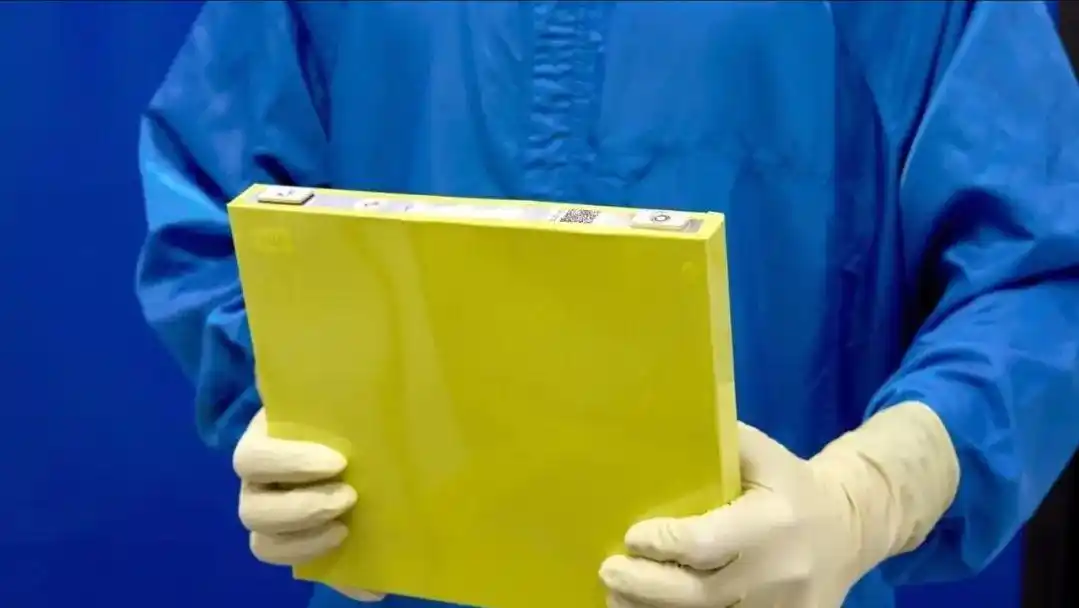
General Motors (GM) and LG Energy have announced a partnership to develop a new lithium-rich manganese-based (LMR) square battery technology, which is expected to enter commercial mass production by 2028. This technology significantly reduces battery costs and improves performance by replacing cobalt and nickel with a high proportion of manganese (60%-70%).
Specifically, in mainstream high-nickel ternary (NMC) batteries, the content of cobalt and nickel is 10% and 80%, respectively. In LMR batteries, the cobalt content is only 0%-2%, while the nickel content is reduced to 30%-40%, with manganese becoming the core material.
In terms of technical parameters, LMR square batteries have 33% higher energy density compared to the current best-performing lithium iron phosphate (LFP) batteries, offering longer range at similar cost levels.
General Motors plans to first apply this battery in electric trucks and full-sized SUVs, aiming for a higher gross margin. The target driving range is over 400 miles (about 643 km), and this will be achieved by reducing the number of battery pack components (by 50%) and lowering the weight.
In terms of mass production progress, the two companies have already produced nearly 300 full-sized LMR battery cell prototypes. According to the plan, trial production will begin at LG Energy Solution’s factory by the end of 2027, and mass production will officially begin in the U.S. in 2028 through GM and LG’s joint venture, Ultium Cells.
On the cost control front, industry analysts predict that the cost of LMR batteries could be reduced to $80-$90 per kWh, significantly lower than the $125 per kWh cost of GM’s current batteries.
Notably, GM emphasizes that it will be the first automaker to deploy the LMR battery, while its competitor Ford plans to launch a similar product by 2030.
Regarding the capacity degradation and thermal stability issues previously faced by lithium-rich manganese-based batteries, GM states that it has overcome these challenges through innovative production processes. It is expected that the performance of the new battery will be comparable to the first-generation high-nickel batteries even in extreme temperatures. Additionally, this technology complies with the requirements of the U.S. Inflation Reduction Act regarding domestic supply chains, and will further increase the localization of materials in the future.
Popular Articles
Contact Details
Worktime : Monday to Friday 9am - 6pm (HKT)
WhatsApp/Wechat/Mobile : +8613645616165
Email : info@lifepo4cellstore.com