Blog
Everything You Should Know About 18650 Battery Voltage
2026-01-12 | Eric
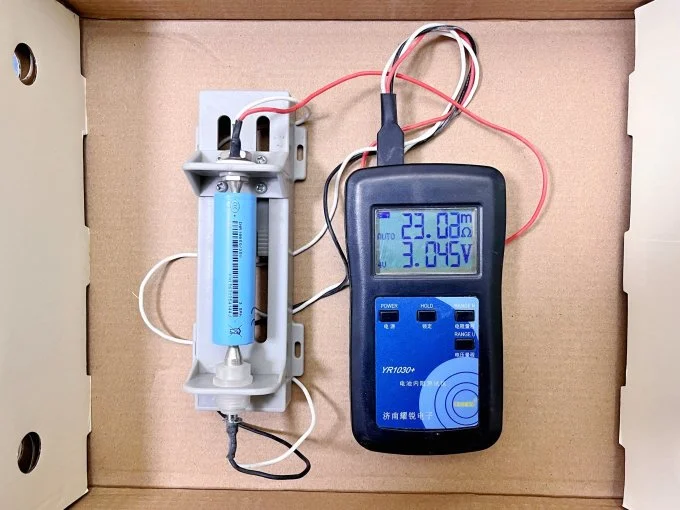
Table of Contents
Part 1: 18650 Battery Voltage Analysis
The voltage of an 18650 lithium-ion battery is typically between 3.6V and 3.7V when operational, which is significantly higher than the 1.2V of traditional nickel-cadmium or nickel-metal hydride batteries.
Key voltage parameters for the 18650 battery include:
- Nominal Voltage: The nominal voltage, or working voltage, of a typical 18650 cell is 3.7V, though some manufacturers design batteries with a nominal voltage of 3.6V. This represents the average voltage during normal use.
- Charging Limit Voltage: The charging voltage for a fully charged 18650 cell is 4.2V. This is the upper limit, and exceeding this voltage can lead to overcharging, which can degrade battery health and performance.
- Discharge Termination Voltage: The lower limit for safe discharge is 2.75V. If the voltage drops below this threshold, the battery is at risk of over-discharge, which can shorten its lifespan or even cause permanent damage.
Part 2: The 18650 Battery Voltage of Different Materials
The voltage characteristics of 18650 batteries vary based on the chemistry of the positive electrode material. Four primary types of 18650 batteries exist:
- Lithium Cobalt Oxide (LiCoO2)
- Lithium Manganese (LiMn2O4)
- Ternary (NCM, NCA)
- Lithium Iron Phosphate (LiFePO4)
Let’s take a closer look at two common materials:
Lithium Cobalt Oxide (LiCoO2) 18650 Battery:
- Nominal Voltage: 3.7V
- Charging Limit Voltage: 4.20V
- Minimum Discharge Voltage: 2.75V
- Capacity: Typically above 1000mAh
Lithium Iron Phosphate (LiFePO4) 18650 Battery:
- Nominal Voltage: 3.2V
- Charging Limit Voltage: 3.6V
- Minimum Discharge Voltage: 2.0V
- Capacity: Commonly around 1500mAh
Part 3: 18650 Voltage Chart
The following chart illustrates the relationship between State of Charge (SOC) and Voltage for a typical 18650 battery:
| State of Charge (%) | Voltage (V) |
|---|---|
| 0% | 2.5 |
| 10% | 3.0 |
| 20% | 3.2 |
| 30% | 3.4 |
| 40% | 3.5 |
| 50% | 3.6 |
| 60% | 3.7 |
| 70% | 3.8 |
| 80% | 3.9 |
| 90% | 4.0 |
| 100% | 4.2 |
Part 4: What is the 18650 Battery Voltage Range?
The voltage range of an 18650 battery depends on several factors, such as its chemistry, load, and operating conditions.
- Nominal Voltage: Typically 3.7V per cell, representing the average voltage under normal discharge conditions.
- Voltage Range During Discharge: The battery's voltage will drop from 4.2V to about 3.0-3.2V as it discharges.
- Voltage Range During Charging: Charging voltage increases to 4.2V per cell, indicating a fully charged battery.
- Operating Voltage Range: The safe operating range is between 3.0V to 4.2V. Going outside this range can damage the cell.
Part 5: What is the 18650 Battery Low Voltage?
The low voltage of an 18650 battery typically refers to the point at which the battery is considered to have reached its usable capacity threshold and needs to be recharged.
Low Voltage Threshold: Generally considered below 3.0V. If the battery’s voltage falls below this, it is nearing the end of its discharge cycle.
Warning: Continuous discharge below this voltage may cause over-discharge, which can harm the battery’s performance and safety.
How to Prevent Low Voltage:
Use tools like voltage checkers, multimeters, or voltage alarms to monitor battery levels. Recharge promptly when the voltage drops close to the low voltage threshold to avoid damage.
Part 6: What Affects the 18650 Battery Voltage?
Several factors influence the voltage behavior of 18650 batteries:
- State of Charge (SOC): A fully charged battery will have a higher voltage, while a discharged battery will have a lower voltage.
- Load: Heavy loads can cause voltage to drop quickly, while lighter loads result in a slower decline.
- Temperature: Low temperatures can cause voltage to decrease, while high temperatures can slightly raise it.
- Battery Chemistry: Different chemistries, such as LiCoO2, LiMn2O4, and LiFePO4, have distinct voltage profiles.
- Internal Resistance: Higher internal resistance increases voltage drop under load and reduces stability.
- Age and Cycle Life: As the battery ages, its internal resistance increases, which can result in a less stable voltage output.
- Charging/Discharging Rate: Fast charging or discharging can lead to voltage instability or spikes.
Part 7: FAQs
What happens if the 18650 battery is overcharged?
Overcharging can lead to battery overheating, potential leakage, or even thermal runaway. Always avoid exceeding the 4.2V charging limit.
What should I do if my 18650 battery voltage drops too low?
If the voltage falls below 2.75V, it's important to recharge immediately to avoid over-discharge and irreversible damage.
How can I safely store 18650 batteries?
Store batteries at a charge level between 40%-60% and in a cool, dry place to prevent damage. Avoid extreme temperatures or storing them fully charged or fully discharged.
Conclusion
Understanding the voltage of 18650 batteries is essential for anyone using or handling them. From ensuring correct charging and discharging practices to choosing the right chemistry, this knowledge will help you maximize the life and performance of these cells.
Popular Articles
Contact Details
Worktime :Monday to Friday 9am - 6pm (HKT)
WhatsApp/Wechat/Mobile :+8613645616165
Email : info@lifepo4cellstore.com