Blog
The Ultimate Guide to 36V Batteries: Types, Capacities, and Choosing the Right Option
2026-02-05 | Eric
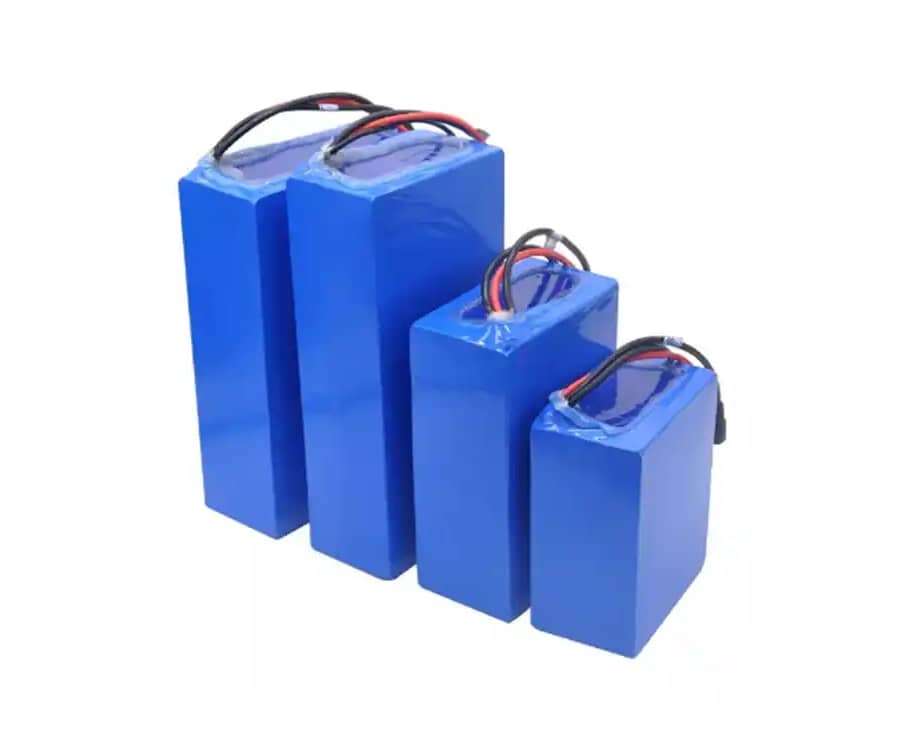
Batteries are an integral part of modern life, fueling everything from mobile phones to electric bikes. Among the various battery types, 36V batteries stand out due to their impressive power and versatility. Whether you're powering an electric bike, a power tool, or a backup power system, understanding the ins and outs of 36V batteries is essential. In this comprehensive guide, we will explore the different types of 36V batteries, their capacities, advantages, and ideal applications.
Part 1: Types of 36V Batteries
Choosing the right battery for your needs can be challenging given the variety of options. 36V batteries are available in several chemistries, each with distinct characteristics. Here’s a breakdown of the most common types:
1. 36V Lithium-Ion (Li-ion) Batteries
Characteristics:
- Lightweight and compact
- High energy density, providing more power in a smaller size
- Long lifespan, especially with proper care
Chemistry:
Lithium-ion batteries use lithium salts in organic solvents, where lithium ions move between the anode and cathode during charge and discharge.
Pros:
- High energy density
- Lightweight and portable
- Long lifespan (up to 5-7 years)
- Fast charging capability
- Requires minimal maintenance
Cons:
- Higher initial cost
- Sensitive to extreme temperatures and overcharging
2. 36V Nickel Metal Hydride (NiMH) Batteries
Characteristics:
- Moderate energy density
- Bulkier and heavier than lithium-ion alternatives
Chemistry:
NiMH batteries use nickel oxide hydroxide and a hydrogen-absorbing alloy to store energy.
Pros:
- Environmentally friendly
- More affordable than lithium-ion batteries
- Reliable performance in various conditions
Cons:
- Shorter lifespan (1-3 years)
- Slower charging times
- Potential memory effect if not discharged properly
3. 36V Sealed Lead Acid (SLA) Batteries
Characteristics:
- Heavier and bulkier, with a lower energy density
- Best suited for stationary applications
Chemistry:
SLA batteries contain lead dioxide and sulfuric acid to generate electricity.
Pros:
- Cost-effective
- Durable and reliable for stationary use
- Widely available and easy to replace
Cons:
- Heavy and bulky, making them less portable
- Shorter lifespan (1-2 years)
- Requires regular maintenance
Part 2: Understanding Battery Capacity (mAh)
The mAh rating (milliampere-hour) indicates a battery's capacity—how much energy it can store and deliver over time. For instance, a 36V battery with 10,000 mAh (10 Ah) will provide twice the runtime of a 5,000 mAh (5 Ah) battery under identical conditions.
- Higher mAh = longer battery life for high-power devices
- Lower mAh = shorter battery life but more cost-effective for less demanding applications
Part 3: Size and Weight Considerations
The size and weight of a 36V battery can vary significantly based on its chemistry and capacity. Here’s what to expect:
- Lithium-Ion: Typically the smallest and lightest, ideal for portable applications like electric bikes and power tools.
- Nickel Metal Hydride: Heavier but still manageable for most portable uses.
- Sealed Lead Acid: The heaviest and bulkiest, best for stationary devices such as backup systems and large-scale solar storage.
Part 4: Why Choose a 36V Lithium Battery?
Lithium-ion batteries are increasingly becoming the go-to choice for high-performance devices due to their numerous advantages:
- Lightweight and easy to carry
- Long lifespan (up to 5-7 years with proper care)
- Fast charging to minimize downtime
- Compact design with high energy density
- Low maintenance and no toxic materials like lead
For portable applications where space and weight are critical, 36V lithium-ion batteries offer an unbeatable balance of performance and convenience.
Part 5: Battery Lifespan
Battery lifespan is critical to understanding long-term costs and performance. The lifespan of a 36V battery depends on several factors, including its chemistry, usage patterns, and environmental conditions.
1. Lithium-Ion Batteries
Lifespan: 2-5 years or 500-1,000 charge cycles (high-quality ones can last up to 7 years)
2. Nickel Metal Hydride Batteries
Lifespan: Typically 1-3 years with 300-500 charge cycles
3. Sealed Lead Acid Batteries
Lifespan: Shorter lifespan, usually 1-2 years with 200-300 charge cycles
Key Factors Influencing Battery Lifespan:
- Usage patterns: Deep discharges reduce lifespan
- Temperature: Extreme temperatures (both hot and cold) can degrade battery life
- Charging habits: Overcharging or undercharging can shorten battery life
- Maintenance: Regular upkeep can extend lifespan, especially for NiMH and SLA batteries
Part 6: Common Applications of 36V Batteries
36V batteries power a wide range of devices, making them highly versatile for both personal and commercial use. Common applications include:
- Electric bikes and scooters
- Power tools (drills, saws, etc.)
- Marine equipment (trolling motors, etc.)
- Solar power storage (off-grid energy solutions)
- Golf carts
- Home backup systems
Whether you're a DIY enthusiast, an avid cyclist, or need reliable power for backup systems, a 36V battery can meet a variety of needs.
Part 7: Is 36V the Best Choice?
36V batteries strike an optimal balance between power and weight, making them a top choice for many applications. But how do they compare with other common voltages?
- 12V Batteries: Suitable for smaller applications, but often insufficient for higher power needs.
- 24V Batteries: A middle ground, offering more power than 12V but still less than 36V.
- 48V Batteries: Provide even more power, but tend to be heavier and more complex, making them overkill for smaller devices.
For most applications, 36V batteries provide the best combination of portability and performance.
Conclusion
Selecting the right battery can significantly impact the performance and longevity of your device. Understanding the differences between 36V lithium-ion, NiMH, and sealed lead acid batteries will ensure you make the best choice for your needs.
If you’re looking for efficiency, long battery life, and compact power, 36V lithium-ion batteries are often the best option for portable, high-demand devices.
Popular Articles
Contact Details
Worktime :Monday to Friday 9am - 6pm (HKT)
WhatsApp/Wechat/Mobile :+8613645616165
Email : info@lifepo4cellstore.com