Blog
How Many Volts to Start A Car
2026-03-11 | Eric
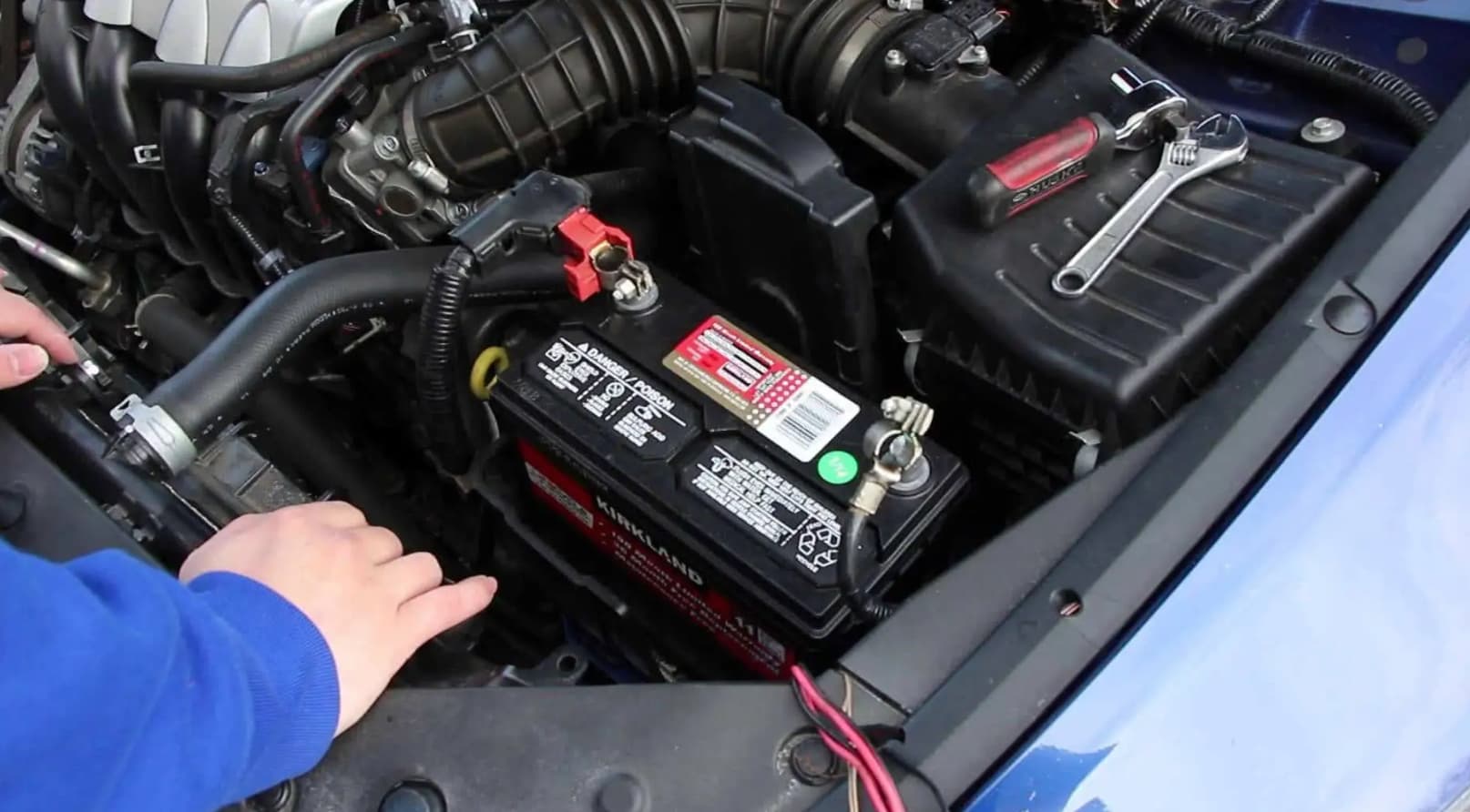
Table of Contents
- What is Car Battery Voltage
- How Many Volts to Start a Car
- How to Test Car Battery Voltage
- Why Starting Battery Loses Voltage
- Signs of a Weak Battery
- Conclusion
- FAQs
Picture this: You're ready for an outdoor adventure, but when you turn the ignition key, all you hear is a faint click, and the dashboard lights barely flicker. This is a common issue for RV owners and car enthusiasts alike—insufficient car battery voltage.
Your car's battery plays a crucial role: it delivers the necessary electrical surge to start the engine and powers critical systems when the engine is off. But how many volts are needed to start a car?
What is Car Battery Voltage?
Car battery voltage refers to the electrical pressure within the system, driving current through the various components of the vehicle. Modern vehicles typically operate on a 12-volt electrical system, which includes the battery, alternator, and other electrical components.
- The battery initially provides power to the starter motor, enabling the engine to start.
- Once the engine is running, the alternator takes over, supplying power to electrical components (e.g., lights, air conditioning) and recharging the battery simultaneously.
- The alternator’s voltage typically ranges between 13.5 to 14.5 volts when the engine is running, ensuring the battery remains fully charged and operational.
How Many Volts to Start A Car?
A healthy battery should ideally have a voltage of 12.6 volts when the engine is off. When you start the engine, the battery voltage will temporarily drop due to the high power demand from the starter motor.
Here’s a breakdown of the voltage levels:
- 12.6 volts: Fully charged battery (ideal for starting).
- 12.0 – 12.4 volts: Indicates a battery that’s nearing the end of its charge. You may notice slower cranking, especially in colder weather.
- 11.5 – 11.9 volts: Critical range; starting your car may require multiple attempts, and the battery needs immediate attention.
- Below 11.5 volts: Likely unable to start your car. Your battery may be dead or severely discharged.
Understanding these voltage thresholds can help you prevent being stranded by a failing battery.
How to Test Car Battery Voltage?
Testing your car's battery voltage is simple, but essential for maintaining reliable vehicle performance. Here’s how you can check:
- Turn off the car and set the multimeter to DC voltage mode.
- Connect the red probe to the positive terminal and the black probe to the negative terminal.
- A healthy, fully charged battery should read around 12.6 volts when the engine is off. If the reading is lower, it may indicate the need for a recharge or battery replacement.
Why Starting Battery Loses Voltage?
There are several reasons why a starting battery might lose voltage:
- Excessive Discharge: Using accessories like lights or the radio when the engine is off can drain the battery. Over time, this will reduce its ability to hold a charge.
- Poor Connections: Corroded or loose battery terminals can create resistance, limiting the voltage output and preventing efficient starting.
- Temperature Effects: Extreme temperatures (both hot and cold) can negatively affect a battery’s performance. Cold weather makes it harder for the battery to provide enough voltage to start the car.
Signs of a Weak Battery
A weak or failing battery can show various signs before it completely dies. Here’s what to look for:
- Slow Cranking: If the engine struggles to turn over when starting, it may indicate a failing battery.
- Dimming Lights: Dimming or flickering headlights or dashboard lights when starting the car is a common sign of a battery issue.
- Dashboard Warning Lights: Many vehicles are equipped with a battery warning light that will illuminate if there’s a problem with the charging system.
- Age of the Battery: A battery older than 3 years is at higher risk of failure and should be tested regularly.
Additionally, if you smell sulfur or rotten eggs near the battery, it could be a sign of battery leakage or overheating.
Conclusion
Knowing how many volts are needed to start a car is essential for all drivers, especially RV owners. A healthy battery should provide at least 12.6 volts for reliable starting. If your battery is reading below 12 volts, it’s a good idea to test the battery or have it checked by a professional to prevent unexpected issues on the road.
Don’t wait until you’re stranded—regularly check your battery voltage to ensure your vehicle is always ready to go!
FAQs
Can a car start with 11.9 volts?
While it’s possible, starting your car with 11.9 volts is not ideal. It may result in slower cranking or multiple attempts to start.
Why does my car battery read 12.4 volts but still won’t start?
A 12.4-volt reading indicates the battery is partially charged, but there may be other issues, such as corroded terminals or a failing alternator.
How long can a car battery last with 12 volts?
A 12-volt reading indicates that the battery is sufficiently charged. However, the battery's longevity depends on factors like age, usage, and environmental conditions. Regular testing is key.
Popular Articles
Contact Details
Worktime :Monday to Friday 9am - 6pm (HKT)
WhatsApp/Wechat/Mobile :+8613645616165
Email : info@lifepo4cellstore.com