Blog
Advantages and Disadvantages of 18650 Lithium-Ion Batteries
2026-02-28 | Eric
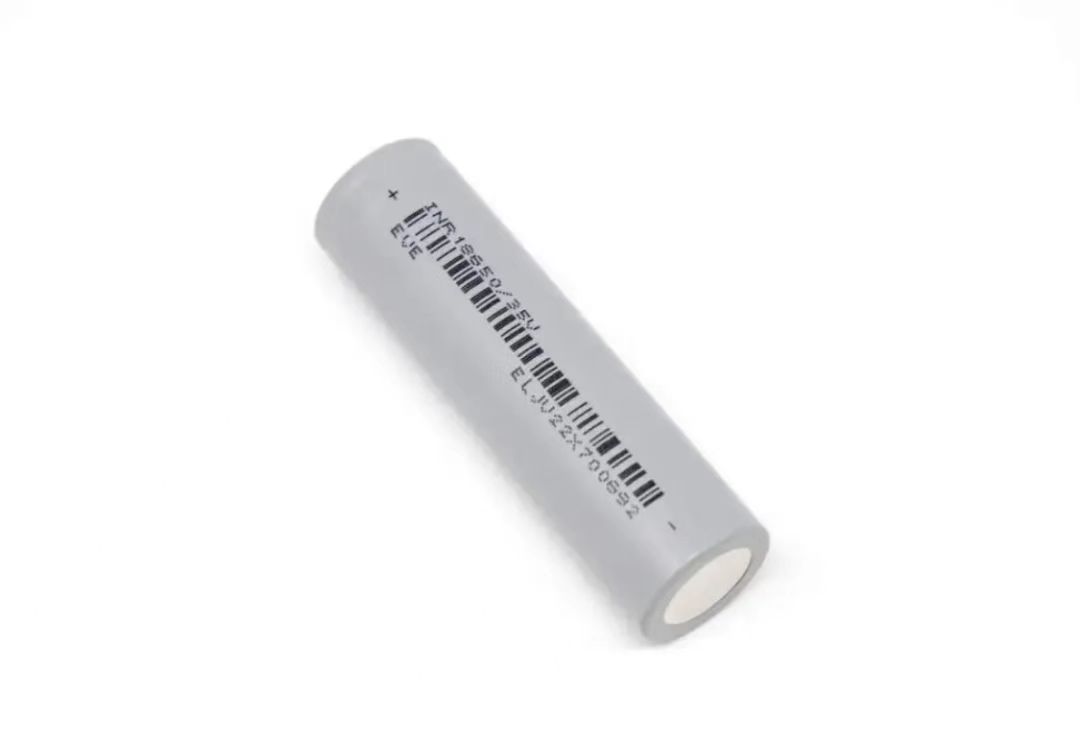
The 18650 lithium-ion battery is one of the most widely used rechargeable battery formats in the world. From power tools to energy storage systems and electric mobility applications, its standardized cylindrical design and reliable performance make it a preferred choice for engineers and manufacturers.
This article provides a professional analysis of the advantages and disadvantages of 18650 lithium-ion batteries to help buyers and technical decision-makers make informed choices.
What Is an 18650 Lithium-Ion Battery?
An 18650 battery is a cylindrical lithium-ion cell measuring approximately 18mm in diameter and 65mm in length. It typically operates at a nominal voltage of 3.6V or 3.7V and can reach 4.2V when fully charged.
Depending on the cathode chemistry (such as lithium iron phosphate or lithium cobalt oxide), performance characteristics such as safety, cycle life, and discharge rate may vary.
Advantages of 18650 Lithium-Ion Batteries
1. High Energy Capacity
Modern 18650 lithium-ion cells generally offer capacities ranging from 1200mAh to 3600mAh per cell, depending on chemistry and manufacturer.
When configured into battery packs through series or parallel connections, total capacity can easily exceed 5000mAh, making them suitable for high-energy applications such as solar storage systems and backup power units.
2. Long Cycle Life
A quality 18650 lithium-ion battery can typically deliver more than 500 charge-discharge cycles under standard operating conditions.
Lithium iron phosphate (LiFePO4) variants can offer significantly longer cycle life compared to traditional chemistries, making them suitable for long-term energy storage and industrial use.
3. Strong Safety Performance (With Proper Protection)
When manufactured under strict quality standards and paired with a battery management system (BMS), 18650 batteries provide reliable safety performance.
Safety features may include:
- Overcharge protection
- Over-discharge protection
- Short-circuit protection
- Temperature monitoring
The internal design separates positive and negative electrodes using a separator film to reduce short-circuit risk. However, like all lithium-ion batteries, safe operation depends heavily on proper system design and certified production standards.
4. Higher Nominal Voltage
Compared to nickel-cadmium (1.2V) or nickel-metal hydride batteries, 18650 lithium-ion batteries operate at a much higher nominal voltage (3.6V–3.7V).
This allows fewer cells to achieve the same output voltage, reducing overall system complexity and weight.
5. No Memory Effect
Unlike older battery technologies, lithium-ion batteries do not suffer from memory effect.
Users do not need to fully discharge the battery before recharging, which improves convenience and operational flexibility.
6. Low Internal Resistance
High-quality 18650 cells feature relatively low internal resistance, enabling:
- Stable high-current discharge
- Reduced energy loss
- Improved efficiency
- Better performance in power-demanding devices
This makes them ideal for applications such as electric tools, mobility systems, and energy storage packs.
7. Flexible Pack Configuration
18650 cells can be connected in series or parallel to build customized battery packs with required voltage and capacity specifications.
This modularity is one of the key reasons why the format remains dominant in industrial and commercial battery systems.
8. Wide Application Range
18650 lithium-ion batteries are used in:
- Laptops
- Power tools
- Solar energy storage systems
- Electric vehicles and e-bikes
- Medical devices
- Portable electronics
Their standardized size ensures compatibility across many industries.
Disadvantages of 18650 Lithium-Ion Batteries
1. Fixed Physical Size
Because the 18650 format is standardized, its dimensions cannot be customized.
For compact or irregularly shaped devices, polymer lithium batteries may offer more design flexibility.
However, the fixed size also provides advantages in manufacturing consistency and scalability.
2. Safety Risks Without Protection Systems
Like all lithium-ion batteries, 18650 cells can present safety risks such as thermal runaway if:
- Overcharged
- Physically damaged
- Short-circuited
- Exposed to extreme temperatures
This is why integrating a reliable Battery Management System (BMS) is mandatory in professional applications.
3. Higher Production Standards Required
Manufacturing 18650 lithium-ion batteries requires:
- Controlled environmental conditions
- Precision electrode coating
- Strict quality inspection processes
These high production standards increase manufacturing costs but are necessary to ensure safety and performance reliability.
4. Chemistry-Dependent Performance Limitations
Different cathode materials (e.g., lithium cobalt oxide vs. lithium iron phosphate) affect:
- Maximum discharge rate
- Thermal stability
- Cycle life
- Energy density
Selecting the correct chemistry is essential for achieving optimal results in your application.
Popular Articles
Contact Details
Worktime :Monday to Friday 9am - 6pm (HKT)
WhatsApp/Wechat/Mobile :+8613645616165
Email : info@lifepo4cellstore.com