Blog
How to Charge LiFePO4 Batteries with Solar Power: A Complete Guide
2025-10-19 | Eric
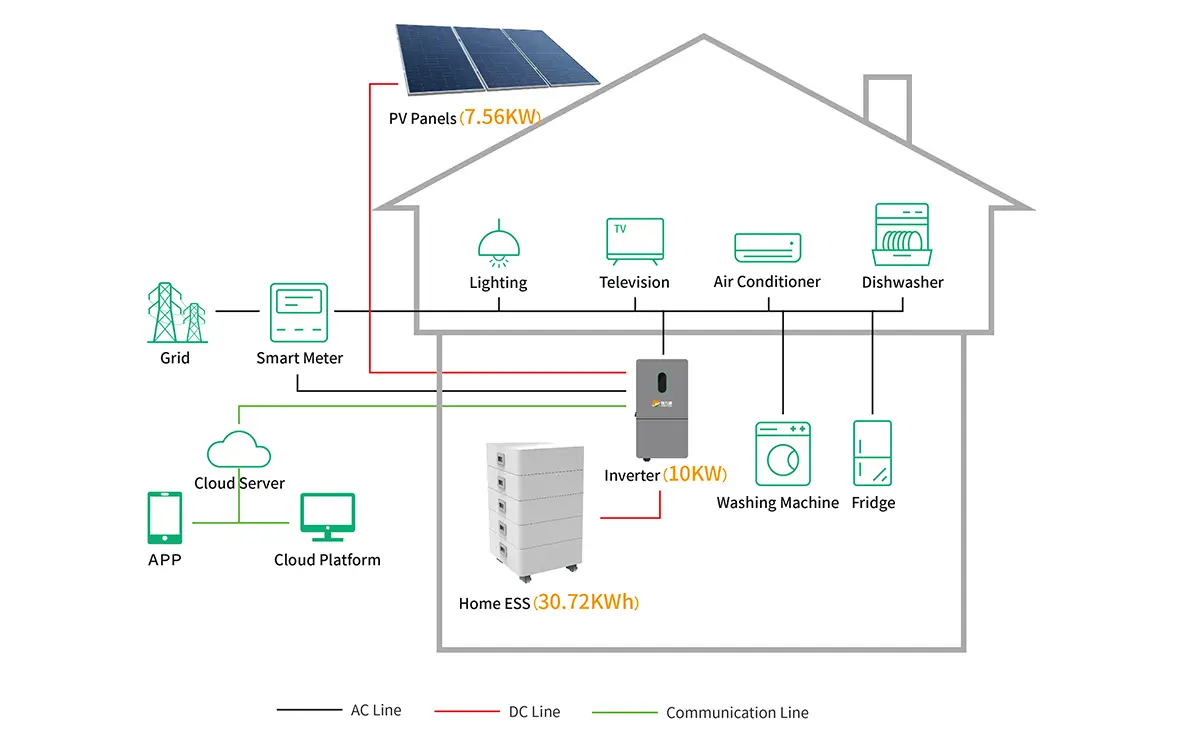
As solar energy adoption grows worldwide, LiFePO4 (Lithium Iron Phosphate) batteries have become a preferred choice for off-grid and renewable power applications. Thanks to their high cycle life, stability, and efficiency, they pair exceptionally well with solar systems.
In this guide, we’ll explore how to properly charge LiFePO4 batteries using solar power—including the components you need, step-by-step setup instructions, and best practices to ensure safety and performance.
Table of Contents
- What Are LiFePO4 Batteries?
- Why Use Solar Power to Charge LiFePO4 Batteries?
- Essential Components for Solar Charging Setup
- Step-by-Step: How to Charge LiFePO4 Batteries with Solar Panels
- Safety Tips and Optimization Best Practices
- Final Thoughts
What Are LiFePO4 Batteries?
LiFePO4 (Lithium Iron Phosphate) batteries are a type of lithium-ion battery known for their exceptional safety, long cycle life, and thermal stability. Compared to lead-acid and traditional lithium-ion batteries, LiFePO4 offers:
- 4,000+ charge-discharge cycles
- Lightweight and compact form factor
- High energy efficiency
- Environmentally friendly chemistry (non-toxic, recyclable)
They are widely used in solar energy systems, RVs, marine applications, backup power storage, and off-grid living.
Why Use Solar Power to Charge LiFePO4 Batteries?
Using solar energy to charge LiFePO4 batteries offers a clean, efficient, and cost-effective way to stay powered — whether you’re at home or off the grid.
Key Benefits:
- Eco-Friendly: Solar energy reduces carbon footprint and dependence on fossil fuels.
- Cost Savings: After the initial investment in panels and components, ongoing energy is free.
- Off-Grid Independence: Ideal for RVs, cabins, boats, and remote installations.
- Battery Compatibility: LiFePO4 batteries pair well with solar due to their high cycle life and efficiency.
✅ Pro Tip: A well-designed solar + LiFePO4 system can provide over 10 years of maintenance-free energy storage.
Essential Components for Solar Charging Setup
Before you begin, gather the following components:
1. Solar Panels
- Choose monocrystalline panels for the best efficiency.
- Match panel output to your energy needs (e.g., 100W, 200W, etc.)
2. MPPT Solar Charge Controller
- An MPPT (Maximum Power Point Tracking) controller maximizes energy harvest and ensures safe battery charging.
- Ensure the controller supports LiFePO4 charging profiles.
3. LiFePO4 Battery
- Opt for high-quality batteries with a built-in Battery Management System (BMS).
4. Inverter (Optional)
- Required if you plan to power AC devices from your DC battery bank.
- Choose a pure sine wave inverter for sensitive electronics.
5. Breakers and Fuses
- Install protective devices at key points to prevent electrical hazards.
6. Battery Monitor or Shunt Meter
- Track battery health, voltage, current, and charge level in real time.
7. High-Quality Cables and Connectors
- Use appropriately rated wiring to ensure safety and system efficiency.
Step-by-Step: How to Charge LiFePO4 Batteries with Solar Panels
Step 1: Set Up Your Solar Panels
- Position your panels to receive maximum sunlight.
- Adjust the tilt angle based on location or use a tracker.
- Connect panels in series or parallel based on voltage/current needs.
Step 2: Configure the Charge Controller
- Set the controller to LiFePO4 mode.
- Connect the battery to the controller first, then the solar panel.
⚠️ Always follow the manufacturer’s wiring sequence to avoid system damage.
Step 3: Connect the Battery
- Double-check polarity before connecting.
- Secure all terminals with heat-shrink tubing or terminal lugs.
Step 4: Add the Inverter (If Needed)
- Connect inverter to battery via a fuse or breaker.
- Test AC output before connecting major appliances.
Step 5: Install Battery Monitor
- Connect shunt between battery negative terminal and ground.
- Configure monitor settings per instructions.
Step 6: Connect the Solar Panels to the Controller
- Use correct polarity: positive to positive, negative to negative.
- Install a DC breaker between panel array and controller.
Step 7: Monitor Charging Performance
- Use the controller or app to track voltage, current, and SOC.
- Ensure charging stays within LiFePO4 voltage range (typically 14.2V–14.6V for 12V systems).
Step 8: Power Your Devices
- Connect DC appliances directly or use the inverter for AC loads.
Safety Tips and Optimization Best Practices
✅ Safety Guidelines
- Wear insulated gloves and use insulated tools.
- Install charge controllers indoors or in enclosures.
- Properly ground your system to prevent electric shock.
⚡ Performance Optimization
- Clean solar panels regularly to maintain output.
- Check all connections for corrosion or looseness.
- Store batteries in cool, dry environments when not in use.
- Use batteries with low-temperature charging protection for cold climates.
Conclusion
Charging LiFePO4 batteries with solar power is not only environmentally responsible—it’s also practical, cost-effective, and scalable. Whether you’re outfitting an RV, cabin, boat, or full off-grid home, this technology empowers you to achieve energy independence with confidence.
By following the steps in this guide and using compatible, high-quality components, you’ll build a solar energy system that’s reliable, safe, and long-lasting.
Popular Articles
Contact Details
Worktime :Monday to Friday 9am - 6pm (HKT)
WhatsApp/Wechat/Mobile :+8613645616165
Email : info@lifepo4cellstore.com