Blog
LiFePO4 vs. Lithium-Ion Batteries: The Ultimate Guide to Choosing the Right Battery for Your Needs
2025-11-30 | Eric
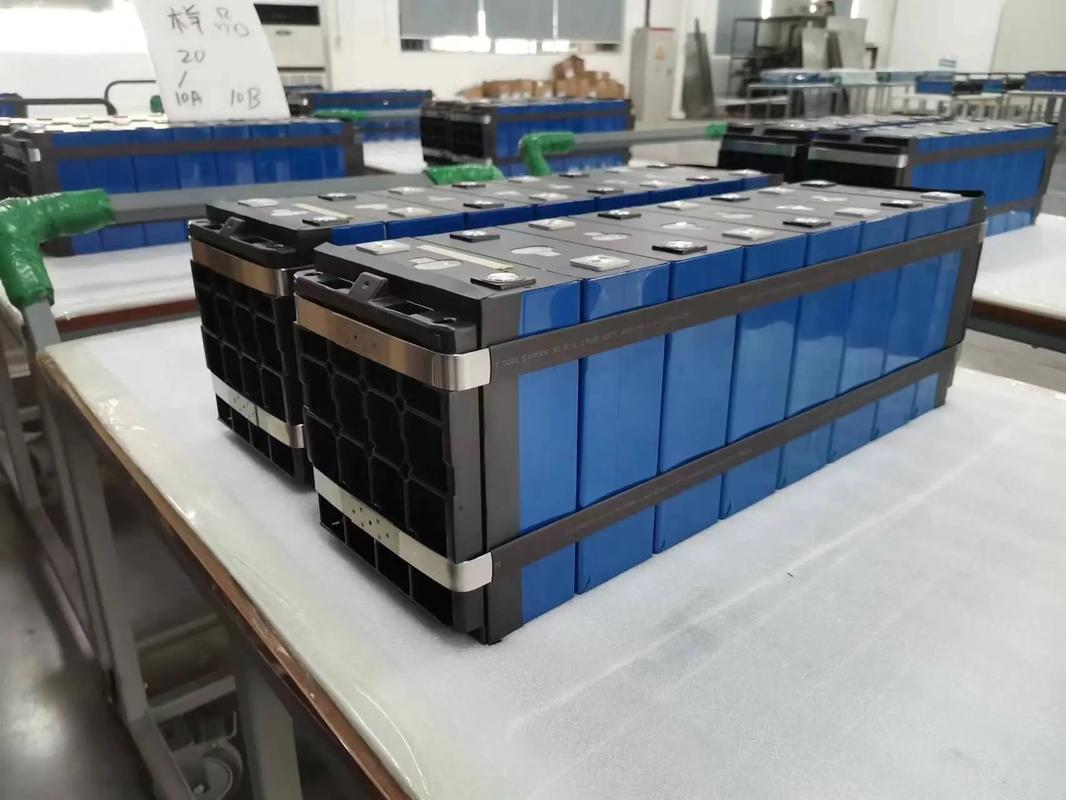
As the demand for reliable, long-lasting energy solutions increases, consumers are faced with numerous battery options. Among the most popular are Lithium Iron Phosphate (LiFePO4 or LFP) and Lithium-ion (Li-ion) batteries. Both offer impressive performance, but each comes with distinct advantages and drawbacks that may make one more suitable for your specific needs. Whether you're looking for an off-grid power solution, a home backup system, or a battery for electric vehicles (EVs), understanding the differences between LiFePO4 and lithium-ion batteries is essential.
This comprehensive guide will help you navigate the pros and cons of each technology, ultimately helping you choose the best battery for your home, business, or vehicle.
Table of Contents
- What Are LiFePO4 and Lithium-Ion Batteries?
- LiFePO4 vs. Lithium-Ion: Key Differences and Benefits
- Which Battery Should You Choose?
- Conclusion
- Frequently Asked Questions
What Are LiFePO4 and Lithium-Ion Batteries?
LiFePO4 Batteries:
LiFePO4 batteries are a subtype of lithium-ion batteries, featuring a unique chemistry that delivers superior safety and longevity. They are composed of lithium iron phosphate (LiFePO4) as the cathode material, with a carbon anode and lithium salt as the electrolyte.
LiFePO4 batteries are known for their thermal stability, robust chemical bonds, and safety advantages, which make them a preferred option for many off-grid, home backup, and solar power applications.
Lithium-Ion Batteries:
Lithium-ion (Li-ion) is a broad category of rechargeable batteries that includes several different chemistries, such as lithium cobalt oxide (LiCoO2), lithium manganese oxide (LiMn2O4), and lithium iron phosphate (LiFePO4). All of these batteries operate on the same basic principles: lithium ions move from the cathode to the anode during charging, creating a flow of electricity.
Li-ion batteries are widely used in applications ranging from consumer electronics to electric vehicles, thanks to their relatively high energy density and widespread availability.
LiFePO4 vs. Lithium-Ion: Key Differences and Benefits
1. Safety: Which Battery is Safer?
LiFePO4 Batteries:
LiFePO4 batteries are widely regarded as one of the safest battery technologies available. Their chemical structure, particularly the strong covalent bonds in the cathode, makes them less prone to overheating and thermal runaway — a phenomenon where the battery overheats and potentially catches fire.
These safety benefits make LiFePO4 batteries the go-to choice for residential energy storage, where fire hazards are a major concern. Additionally, they do not contain toxic or rare materials like cobalt, further reducing environmental and safety risks.
Lithium-Ion Batteries:
While Li-ion batteries are generally safe, certain chemistries (such as lithium cobalt oxide) are more prone to safety issues, including fires and explosions, if mishandled or subjected to extreme temperatures. This is especially true in high-energy applications, such as electric vehicles (EVs), where battery failure can lead to severe consequences.
Overall, while modern Li-ion batteries come equipped with built-in safety mechanisms, LiFePO4 is the safer option, particularly in stationary power applications.
2. Energy Density: Which One Stores More Energy?
Li-ion Batteries:
Li-ion batteries generally have a higher energy density compared to LiFePO4 batteries. This means they can store more energy per unit of volume or weight. For example, the energy density of a typical Li-ion battery ranges from 100-265 Wh per kilogram, whereas LiFePO4 batteries tend to have a density of around 90-120 Wh per kilogram.
This makes Li-ion batteries a better choice for applications where space and weight are critical factors, such as in electric vehicles and portable electronics.
LiFePO4 Batteries:
While LiFePO4 batteries have a slightly lower energy density, this difference is minimal in large-scale applications such as home backup power systems and off-grid energy storage. The trade-off in energy density is often outweighed by the other advantages, such as safety, lifespan, and stability.
3. Lifespan and Durability: Which One Lasts Longer?
LiFePO4 Batteries:
LiFePO4 batteries are known for their exceptionally long lifespan. A typical LiFePO4 battery can withstand 3,000 to 5,000 charge and discharge cycles, which is several times higher than that of traditional Li-ion batteries. This makes them an ideal choice for applications where the battery is expected to be used frequently and over extended periods.
For off-grid power systems and home backup batteries, the long lifespan of LiFePO4 means fewer replacements and lower long-term costs. This makes LiFePO4 a more sustainable option, both economically and environmentally.
Lithium-Ion Batteries:
Lithium-ion batteries generally last 500-1,500 charge cycles, depending on the specific chemistry. While this is sufficient for many consumer applications, it is a clear disadvantage compared to LiFePO4 when it comes to long-term reliability and environmental impact.
4. Cost: Is LiFePO4 Worth the Investment?
LiFePO4 Batteries:
LiFePO4 batteries tend to have a higher upfront cost than standard Li-ion batteries, largely due to their advanced materials and manufacturing process. However, when considering their extended lifespan and enhanced safety features, the higher initial cost often proves to be a more cost-effective investment over time.
Lithium-Ion Batteries:
Li-ion batteries are typically less expensive upfront, especially for smaller applications like consumer electronics or short-term backup power. However, their shorter lifespan and higher risk of degradation over time can lead to higher replacement costs.
5. Temperature Range: Which Battery Handles Extreme Conditions Better?
LiFePO4 Batteries:
LiFePO4 batteries have a wider operating temperature range than Li-ion batteries. They can function effectively in temperatures ranging from -20°C (-4°F) to 60°C (140°F), making them more versatile for outdoor and off-grid environments where temperature fluctuations are common.
Lithium-Ion Batteries:
Li-ion batteries generally perform best in controlled environments, with an operating temperature range of 0°C (32°F) to 45°C (113°F). Extreme temperatures can reduce their efficiency and lifespan, so they often require climate-controlled storage or systems to regulate temperature.
6. Environmental Impact: Which Battery is More Eco-Friendly?
LiFePO4 Batteries:
One of the standout benefits of LiFePO4 batteries is their minimal environmental impact. They are free from nickel and cobalt, which are both environmentally harmful to mine and dispose of. Additionally, their longer lifespan reduces the frequency of battery replacements, contributing to less e-waste over time.
Lithium-Ion Batteries:
While Li-ion batteries are recyclable, they often contain cobalt and nickel, which pose ethical and environmental concerns due to their mining practices. Recycling processes for Li-ion batteries are also more complex and less efficient than those for LiFePO4.
Which Battery Should You Choose?
For consumers and businesses looking for off-grid power solutions, home battery backups, or solar energy storage, LiFePO4 batteries are often the best option. Their safety, longevity, and resilience to temperature extremes make them ideal for applications where reliability and safety are paramount.
On the other hand, if you need a lightweight, high-energy-density battery for electric vehicles or portable electronics, lithium-ion batteries may still be the preferred choice due to their higher energy density and compact size.
Conclusion
When deciding between LiFePO4 and lithium-ion batteries, it’s crucial to evaluate your specific needs. If you prioritize safety, long-term durability, and environmental sustainability, LiFePO4 is the clear winner. Although they may come with a higher initial cost, their lower environmental impact and superior longevity provide an excellent return on investment.
Frequently Asked Questions
- How long do LiFePO4 batteries last?
LiFePO4 batteries can last between 3,000 to 5,000 charge cycles, much longer than traditional Li-ion batteries. - Can LiFePO4 batteries be used in extreme temperatures?
Yes, LiFePO4 batteries can operate in temperatures as low as -20°C and as high as 60°C, making them ideal for outdoor and off-grid applications. - Are LiFePO4 batteries more expensive?
LiFePO4 batteries generally cost more upfront, but their longer lifespan and lower maintenance costs make them more economical in the long run.
Popular Articles
Contact Details
Worktime :Monday to Friday 9am - 6pm (HKT)
WhatsApp/Wechat/Mobile :+8613645616165
Email : info@lifepo4cellstore.com