Blog
Lithium-Ion vs. Lithium-Polymer Batteries: Which One Reigns Supreme?
2026-02-10 | Eric
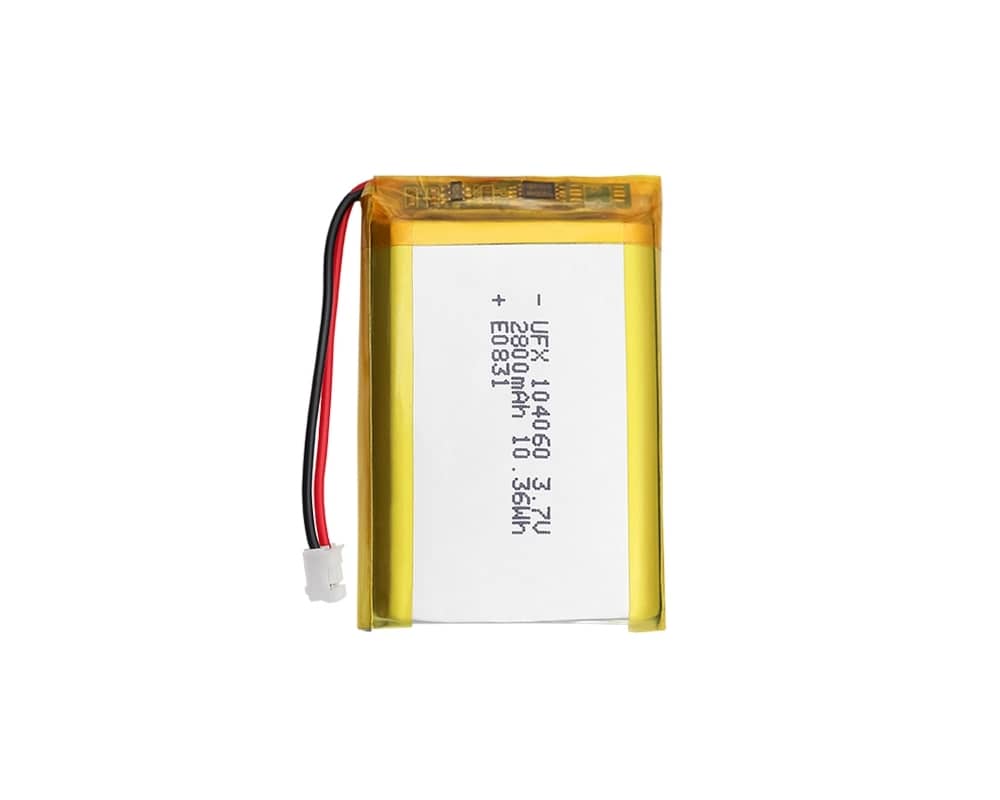
In the fast-paced world of energy storage technology, lithium-based batteries are at the forefront, offering compact, efficient power solutions for a diverse range of applications. Among these, lithium-ion (Li-ion) and lithium-polymer (LiPo) batteries are two of the most widely adopted options. While both offer unique advantages, lithium-ion batteries consistently outperform their lithium-polymer counterparts across many key factors. In this article, we will explore the strengths and weaknesses of each battery type and explain why Li-ion batteries remain the go-to choice for most industries.
What Are Lithium-Ion Batteries?
Lithium-ion batteries (Li-ion) have become a staple in the energy storage market, powering everything from smartphones to electric vehicles (EVs) and home energy systems. These rechargeable batteries use lithium compounds as the cathode, offering a range of benefits that make them the preferred choice for modern, high-performance applications.
Advantages of Lithium-Ion Batteries
- High Energy Density - Lithium-ion batteries are known for their impressive energy density, meaning they can store a significant amount of energy relative to their size and weight. This makes them ideal for applications where space and weight are critical, such as smartphones, laptops, and electric vehicles.
- Long Lifespan - With a high number of charge-discharge cycles, lithium-ion batteries boast a long lifespan, which reduces the need for frequent replacements and helps minimize waste. This durability is particularly important for applications requiring reliable, long-term performance, such as home energy storage systems.
- Enhanced Safety Features - Modern Li-ion batteries come equipped with protection circuits and thermal management systems, making them inherently safer than many other battery types. These features help mitigate the risks of overheating, short-circuits, and fires.
- Energy Efficiency - With a low self-discharge rate, lithium-ion batteries can retain their charge for extended periods when not in use. This means users don’t have to constantly recharge them, making them an energy-efficient solution for everything from solar energy storage to electric vehicle charging.
- Versatility - Lithium-ion batteries are available in a range of sizes and designs, from compact 18650 cells used in laptops and power tools, to large battery packs used in electric vehicles and solar storage systems. Their adaptability allows them to power a diverse array of devices across multiple industries.
What Are Lithium-Polymer Batteries?
Lithium-polymer batteries (LiPo) are a subset of lithium-ion batteries, but with one key difference—they use a flexible pouch casing instead of a rigid metal casing. Despite their similarities to Li-ion batteries, LiPo cells are often designed for applications where lightweight, flexibility, and high discharge rates are critical.
Advantages of Lithium-Polymer Batteries
- Flexible Shape and Size - Unlike traditional lithium-ion cells, which are typically cylindrical or prismatic, LiPo batteries can be manufactured in a variety of shapes and sizes. This flexibility makes them ideal for devices with unconventional form factors, such as drones and wearable electronics.
- Lightweight Design - LiPo batteries are typically lighter than their Li-ion counterparts, which makes them a popular choice for weight-sensitive applications, including radio-controlled models and consumer drones.
- High Discharge Rates - LiPo batteries can provide high discharge rates (up to 90C), which allows them to deliver power quickly and efficiently. This makes them suitable for applications that demand quick bursts of energy, such as racing drones or remote-controlled vehicles.
- Higher Power Density - LiPo batteries offer a slightly higher power density compared to lithium-ion cells, allowing for faster energy delivery. This makes them ideal for high-performance applications where rapid bursts of energy are required.
- Easy Assembly - The flexible pouch design of LiPo batteries makes them easier to handle and assemble, particularly for smaller manufacturers. However, improper handling or soldering can damage the cells, making safety a concern.
The Drawbacks of Lithium-Polymer Batteries
- Swelling - One of the most common issues with LiPo batteries is swelling, which occurs when the battery inflates due to improper storage, overcharging, or poor manufacturing. This can lead to performance degradation or, in the worst case, hazardous situations such as fires.
- Limited Longevity - LiPo batteries generally offer fewer charge cycles than lithium-ion batteries, especially when subjected to high discharge rates. This makes them less ideal for long-term applications where durability is critical.
- Thermal Performance - LiPo batteries lack the centralized thermal management systems that Li-ion batteries typically have. This makes it harder to regulate temperature, especially in high-performance setups like drones or EVs, where overheating can reduce efficiency or damage the cells.
- Safety Concerns - Many LiPo cells do not meet rigorous safety standards, such as the UL 1604 directive. Without proper protection, these cells pose a higher risk of fire or explosion when damaged, punctured, or improperly charged.
Why Lithium-Ion Batteries Are the Better Choice
While LiPo batteries have their uses, lithium-ion batteries offer several clear advantages for most modern applications:
1. Reliable Manufacturers and Quality Control
Leading manufacturers like Samsung SDI, Panasonic, and LG produce cylindrical and prismatic lithium-ion cells that undergo stringent quality control. This ensures consistent voltage, internal resistance, and overall performance, resulting in highly reliable and durable battery packs.
2. Superior Durability and Longevity
Due to their superior design and manufacturing processes, lithium-ion batteries tend to last longer and perform better over time. Whether used in solar storage systems, electric vehicles, or consumer electronics, Li-ion batteries are designed for long-term reliability, making them ideal for large-scale production and warranty-based products.
3. Safety and Thermal Management
Li-ion batteries excel in thermal management due to their rigid metal casings and the ability to balance heat dissipation across the cells. This makes them less prone to overheating compared to LiPo batteries, which lack centralized cooling systems. Additionally, Li-ion batteries include protection circuits to prevent overcharging and short circuits.
4. Efficient Power Delivery
Lithium-ion batteries are highly efficient at delivering power consistently over time. With the ability to handle high currents, they are ideal for electric vehicles, renewable energy storage, and other high-power applications.
Conclusion
While lithium-polymer batteries offer some specific advantages in niche applications, lithium-ion batteries remain the preferred choice for a wide variety of industries. Their superior energy density, longevity, safety features, and thermal efficiency make them the go-to solution for everything from consumer electronics to electric vehicles and large-scale energy storage systems.
As the demand for clean energy and sustainable technology grows, lithium-ion batteries will continue to play a central role in shaping the future of energy storage and power delivery.
Popular Articles
Contact Details
Worktime :Monday to Friday 9am - 6pm (HKT)
WhatsApp/Wechat/Mobile :+8613645616165
Email : info@lifepo4cellstore.com