Blog
Portable Battery Charger vs. Power Bank: What’s the Difference?
2026-04-14 | Eric
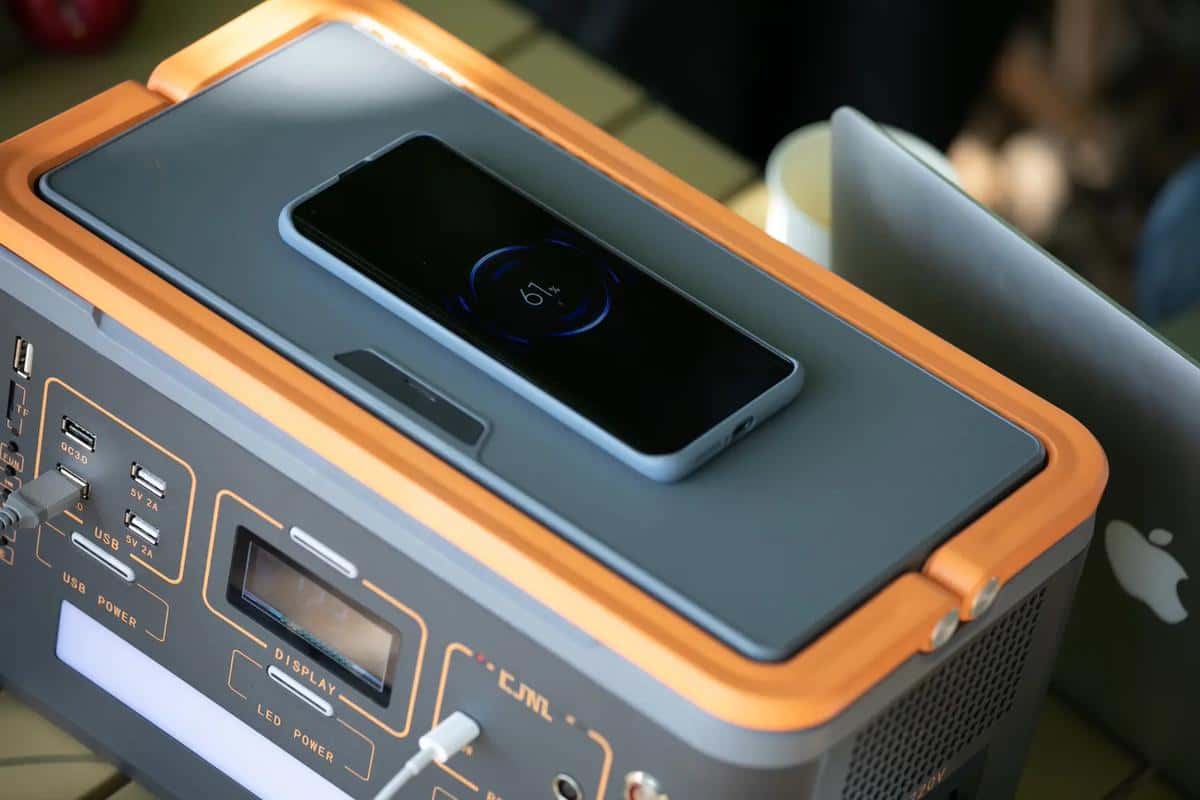
In today’s fast-paced world, keeping your devices powered up is crucial. Whether you’re traveling, working remotely, or enjoying the outdoors, you need a reliable power source. Many people use the terms "portable battery charger" and "power bank" interchangeably, but there are key differences between the two.
So, what exactly sets them apart?
The Short Answer:
A portable battery charger is any device designed to charge another device’s battery on the go. It can include power banks, solar chargers, and even car battery chargers.
A power bank, on the other hand, is a specific type of portable battery charger that stores energy in an internal battery and can recharge devices without needing a direct power source.
Now, let’s dive deeper into the details.
Table of Contents
- Part 1. What is a portable battery charger?
- Part 2. What is a power bank?
- Part 3. How do portable battery chargers and power banks work?
- Part 4. Key differences between a portable battery charger and a power bank
- Part 5. Which one should you choose?
- Part 6. Types of portable battery chargers
- Part 7. How to choose the best portable battery charger?
- Part 8. Pros and cons of portable battery chargers and power banks
- Part 9. Frequently Asked Questions (FAQs)
Part 1. What is a Portable Battery Charger?
A portable battery charger is a broad term that refers to any device that allows you to charge your devices while on the go. Some of the most common types include:
- Power banks: Small, rechargeable batteries for devices like smartphones and tablets.
- Solar chargers: Utilize sunlight to generate electricity, ideal for outdoor activities.
- Car battery chargers: Used for recharging car batteries or jump-starting vehicles.
- Laptop battery packs: High-capacity chargers specifically designed for laptops.
Key Features of a Portable Battery Charger:
- Versatile power sources: Can be powered via USB, solar energy, or even car batteries.
- Varied battery options: Some portable chargers feature internal batteries; others require direct power sources.
- Multi-device compatibility: Can charge a wide range of devices, from phones and laptops to vehicles.
- Wireless charging options: Some models offer convenient wireless charging.
Part 2. What is a Power Bank?
A power bank is a specific type of portable battery charger that features an internal battery. It stores electrical energy and releases it to charge your devices when needed.
Key Features of a Power Bank:
- Built-in rechargeable battery: Power banks store energy in their internal battery for later use.
- Varied capacities: Available in various sizes, typically measured in milliamp hours (mAh) or watt-hours (Wh).
- USB or wireless charging: Most power banks use USB or wireless methods to charge devices.
- Ideal for smaller electronics: Perfect for devices like smartphones, tablets, and other portable gadgets.
Part 3. How Do Portable Battery Chargers and Power Banks Work?
Both portable battery chargers and power banks provide a way to transfer energy to your devices. However, the way they function differs slightly:
- Power Banks: First, a power bank charges itself by connecting to a power source. Once fully charged, it stores energy in its internal battery. When you connect a device, it transfers stored energy to the device.
- Portable Battery Chargers: Some portable chargers (like solar or car chargers) can provide energy directly to your devices without storing it, while others, like power banks, store energy internally for later use.
Part 4. Key Differences Between a Portable Battery Charger and a Power Bank
Here are the 4 main differences between a portable battery charger and a power bank:
- Internal Battery: A power bank always has an internal battery. In contrast, some portable chargers, like solar chargers, do not store energy but provide power directly from the source (sunlight or car battery).
- Power Source: A power bank is charged first and can then be used independently without an external power source. Portable battery chargers, however, may require an ongoing power source, such as a solar panel or vehicle.
- Capacity and Usage: Power banks typically have a capacity range from 5,000mAh to 50,000mAh, suitable for smaller devices like smartphones and tablets. Portable chargers, like car battery chargers, may offer capacities of up to 1,000,000mAh, making them ideal for larger devices.
- Best Use Cases: Power banks are perfect for on-the-go charging of smaller devices. Portable battery chargers are better suited for emergency situations or outdoor activities where you might need to charge larger devices or multiple devices at once.
Part 5. Which One Should You Choose?
If you’re unsure whether to buy a portable battery charger or a power bank, consider the following:
- Choose a power bank if you need a compact and simple solution for recharging your smartphone or tablet during travel.
- Choose a portable battery charger if you require a more versatile option to charge larger devices like laptops or car batteries.
Part 6. Types of Portable Battery Chargers
There are several types of portable battery chargers, each designed for specific needs:
- Power Banks: Ideal for everyday use with smartphones and tablets.
- Solar Chargers: Harness the power of the sun, perfect for outdoor adventures.
- Car Battery Chargers: Larger chargers designed to jump-start or charge car batteries.
- Laptop Battery Packs: High-capacity chargers designed specifically for laptops.
Part 7. How to Choose the Best Portable Battery Charger?
When selecting a portable battery charger, consider the following factors:
- Capacity (mAh or Wh): Larger capacities allow for more charges.
- Charging Speed (W or A): Faster charging means less wait time for your devices.
- Portability and Weight: Lighter chargers are more convenient for travel.
- Number of Output Ports: More ports allow for charging multiple devices simultaneously.
- Durability: Choose waterproof or rugged designs for outdoor use.
Part 8. Pros and Cons of Portable Battery Chargers and Power Banks
Portable Battery Charger
- Pros:
- Highly versatile
- Can charge larger devices
- Various power sources available
- Cons:
- Some models require a direct power source
Power Bank
- Pros:
- Simple and portable
- Can be used without an external power source
- Ideal for travel
- Cons:
- Limited capacity compared to other chargers
Part 9. Frequently Asked Questions (FAQs)
Can I use a solar charger to charge my smartphone?
Yes, but charging times may vary depending on the solar charger’s efficiency and sunlight availability.
What is the ideal power bank capacity for a smartphone?
A power bank with a capacity of 10,000mAh to 20,000mAh is typically sufficient for one to two full charges.
Are power banks safe to use?
Yes, provided they are from reputable manufacturers and meet safety standards.
Popular Articles
Contact Details
Worktime :Monday to Friday 9am - 6pm (HKT)
WhatsApp/Wechat/Mobile :+8613645616165
Email : info@lifepo4cellstore.com