Blog
The Benefits of Lithium Iron Phosphate (LiFePO4) Batteries in Modern UPS Systems
2026-03-24 | Eric
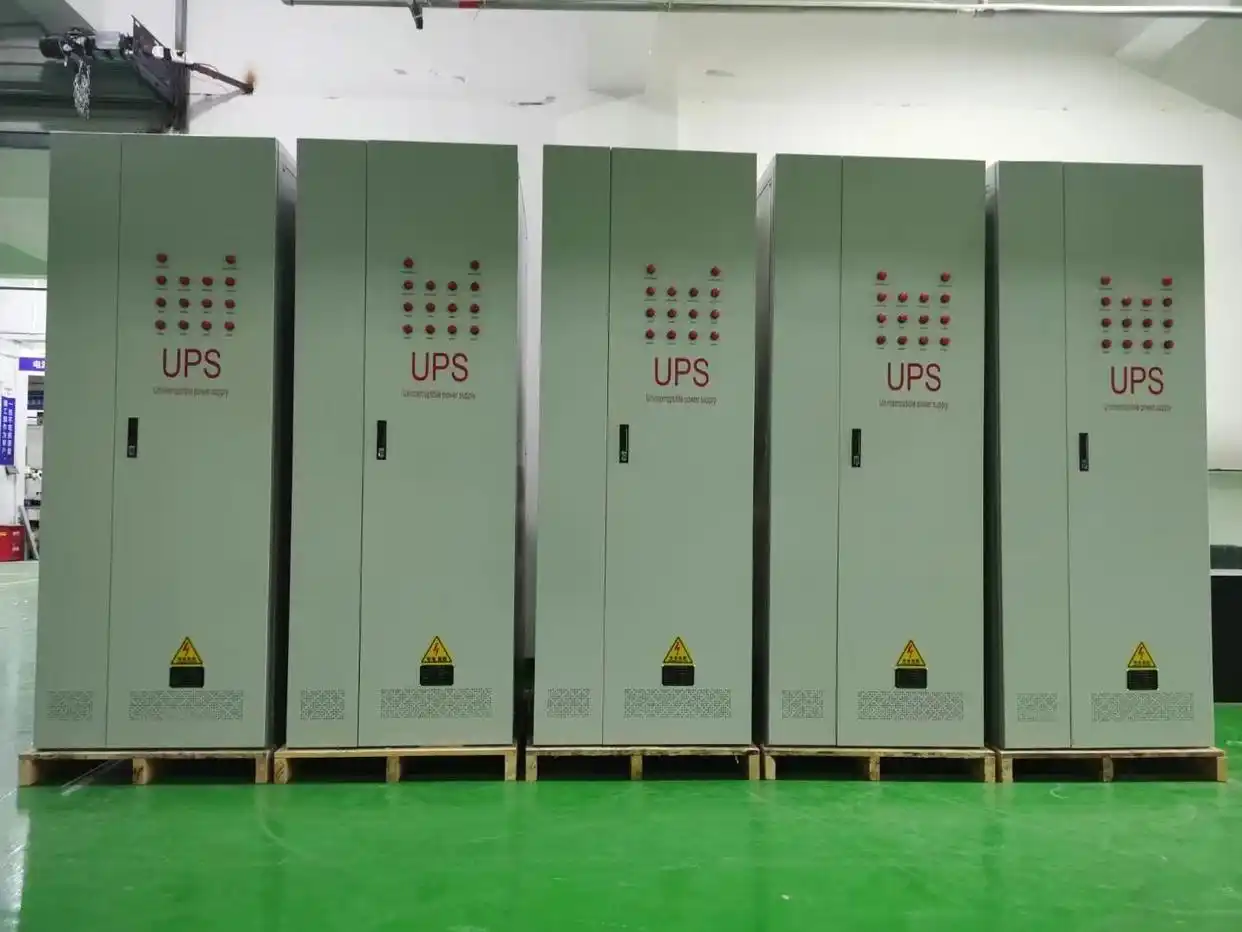
In the world of power backup solutions, Uninterruptible Power Supply (UPS) systems play a critical role in safeguarding equipment from power disruptions. Traditionally, lead-acid batteries have been the go-to energy storage option for UPS systems. However, as industries demand more efficient, durable, and environmentally friendly solutions, lithium iron phosphate (LiFePO4) batteries are emerging as a superior alternative. Offering a range of advantages over lead-acid batteries, LiFePO4 batteries are reshaping the future of UPS systems.
Why Switch to Lithium Iron Phosphate Batteries for Your UPS System?
LiFePO4 batteries address many of the limitations associated with traditional lead-acid batteries. Let’s take a closer look at the key benefits of using LiFePO4 technology in UPS systems:
1. Compact and Lightweight Design
LiFePO4 batteries boast a significantly higher energy density compared to lead-acid batteries. This means that for the same capacity, lithium batteries are both smaller and lighter, allowing for more efficient use of space. This is especially valuable in environments with space constraints, where reducing the footprint of backup power systems is critical.
- Ideal for Space-Constrained Installations: With their smaller size and lighter weight, LiFePO4 batteries allow for easier installation in tight or confined areas.
- Enhanced Portability: The lightweight nature makes them easier to transport and install, reducing the labor involved.
2. Improved Efficiency
One of the most compelling reasons to choose LiFePO4 batteries is their efficiency. Lithium batteries maintain a high charging and discharging efficiency—often exceeding 95%—even after years of use. This results in less energy waste and optimal performance throughout their service life.
- Fast Charging: LiFePO4 batteries can charge quickly, minimizing downtime and ensuring that your UPS system is ready to perform when needed.
- Long-Term Efficiency: Unlike lead-acid batteries, which suffer from efficiency degradation over time, lithium batteries remain highly efficient even after hundreds or thousands of charge cycles.
3. Extended Service Life
LiFePO4 batteries significantly outperform lead-acid batteries in terms of lifespan. While lead-acid batteries typically last only 3-5 years, LiFePO4 batteries can provide over 10 years of service with minimal capacity degradation. This is particularly valuable for industries that rely on uninterrupted power and cannot afford frequent battery replacements.
- Over 10 Years of Service: Lithium batteries offer a longer lifecycle, reducing the total cost of ownership over time.
- High Cycle Life: LiFePO4 batteries can endure more than 2,000 charge and discharge cycles, which means fewer replacements and a lower environmental impact.
4. Wide Operating Temperature Range
Lithium iron phosphate batteries are known for their versatility in a wide range of temperatures. They perform efficiently in environments as cold as -20°C and as hot as 60°C, making them ideal for use in harsh conditions.
- Resilient to Extreme Conditions: Whether you're in a freezing industrial warehouse or a hot telecom station, LiFePO4 batteries will perform reliably.
- Reduced Performance Impact in High Temperatures: In contrast to lead-acid batteries, which can experience reduced performance in warmer environments, LiFePO4 batteries are less impacted by high ambient temperatures.
5. Environmentally Friendly
LiFePO4 batteries are free from toxic materials like lead and sulfuric acid, making them safer for the environment. Their environmentally friendly design extends to the manufacturing process, which is cleaner compared to traditional lead-acid battery production.
- Safer Manufacturing and Recycling: LiFePO4 batteries are easier and safer to recycle, with fewer harmful chemicals being released into the environment.
- Reduced Toxicity: By eliminating lead and acid, these batteries pose less risk to the environment throughout their life cycle.
6. Enhanced Safety and Stability
Safety is a critical factor in battery technology, particularly for power backup systems. Lithium iron phosphate batteries are considered one of the safest lithium-based chemistries, thanks to the inherent stability of their cathode material.
- Thermal Runaway Resistance: LiFePO4 batteries are highly resistant to thermal runaway, a major risk with some other lithium batteries. This means they are less likely to catch fire or explode under stress.
- Consistent, Stable Performance: Whether under load or during charging, LiFePO4 batteries maintain stability, ensuring reliable power during emergencies.
How LiFePO4 UPS Systems Improve Performance
Integrating lithium iron phosphate batteries into UPS systems brings substantial benefits in design, monitoring, and performance:
- Modular Design: Many lithium UPS systems feature modular battery cabinets, which simplify installation and allow for easy scalability. This modular approach also streamlines maintenance, enabling you to add or replace batteries as needed.
- Advanced Battery Management Systems (BMS): Lithium UPS systems come equipped with BMS, which provide real-time monitoring, diagnostics, and alerts, ensuring optimal performance and facilitating troubleshooting.
- High Output Power: Lithium batteries can handle higher discharge rates, making them ideal for handling peak loads and supporting critical equipment during power outages.
Key Applications of LiFePO4 UPS Systems
LiFePO4-based UPS systems are proving to be highly beneficial across a wide range of industries, ensuring uninterrupted power and protection for sensitive equipment:
- Industrial Equipment: Protects against voltage fluctuations, surges, and frequency instability, keeping critical machinery running smoothly.
- Communication Base Stations: Provides reliable 48V DC backup power to telecom stations, ensuring continuous communication services during outages.
- Data Centers: With high reliability and efficiency, LiFePO4 UPS systems ensure the constant availability of power to data centers, safeguarding IT infrastructure from downtime.
- Energy-Intensive Operations: Lithium UPS systems are ideal for high-energy environments, such as server farms, healthcare facilities, and smart grid applications, thanks to their high cycle life and energy density.
Testing and Validation: Proven Performance
Performance tests of LiFePO4-based UPS systems demonstrate their superiority in various conditions:
- Efficiency Testing: No-load and heating mode tests show discharge efficiencies up to 86%, with peak discharge power exceeding 100 kW.
- Durability: Even under extreme conditions, lithium batteries maintain stable output, ensuring seamless transitions during power interruptions.
Conclusion
Switching from traditional lead-acid batteries to lithium iron phosphate (LiFePO4) batteries is a game-changer for UPS systems. With improved performance, longer lifespans, and environmentally friendly characteristics, LiFePO4 batteries are the solution modern industries need to keep their critical systems running smoothly.
As technology advances and production scales, the adoption of lithium UPS systems is expected to increase, driven by their superior performance and alignment with sustainability goals. For industries looking to enhance their power reliability, reduce maintenance costs, and adopt greener practices, LiFePO4 batteries are the future of power backup solutions.
Ready to Upgrade Your UPS System?
Explore our range of LiFePO4-powered UPS solutions and ensure your business is powered with the most efficient and reliable technology. Contact us today to learn more!
Popular Articles
Contact Details
Worktime :Monday to Friday 9am - 6pm (HKT)
WhatsApp/Wechat/Mobile :+8613645616165
Email : info@lifepo4cellstore.com