Blog
Does LiFePO4 Energy Density Matter? Understanding the Importance for Performance and Applications
2026-03-22 | Eric
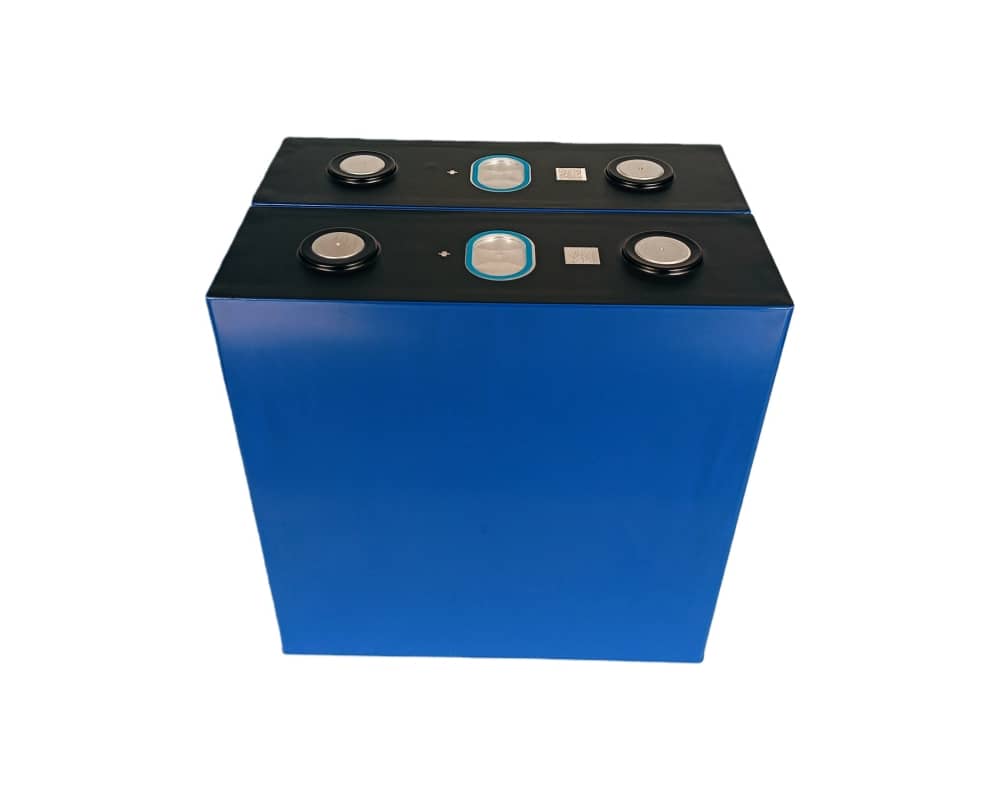
When purchasing LiFePO4 (Lithium Iron Phosphate) batteries, one of the most important factors to consider is the energy density. This key parameter plays a crucial role in determining the overall performance of the battery. But what exactly is LiFePO4 energy density, and why does it matter so much?
In this article, we will dive into the concept of energy density, explore why it is a significant metric for battery selection, and discuss how the evolution of energy density impacts industries that rely on LiFePO4 batteries.
What Is LiFePO4 Energy Density?
LiFePO4 energy density refers to the amount of energy a battery can store relative to its weight. It is typically measured in watt-hours per kilogram (Wh/kg), where Wh represents the energy consumed per hour, and kg represents the weight of the battery.
A higher energy density means the battery can store more energy in a lighter and more compact package, resulting in longer operational times and increased efficiency. In practical terms, batteries with higher energy density can power devices or vehicles for extended periods, reducing the need for frequent recharging or battery replacement.
Why Does LiFePO4 Energy Density Matter?
The importance of LiFePO4 energy density cannot be overstated. It impacts several key performance factors that affect the usability of the battery in real-world applications. Let’s break down the reasons why energy density is a critical consideration:
1. Longer Battery Life & Longer Usage Time
Batteries with higher energy density offer longer runtime. In applications such as electric vehicles (EVs), forklifts, or solar energy storage systems, a lightweight battery with a higher energy density allows users to operate their equipment for a longer period before needing to recharge.
2. Reduced Weight and Size
Higher energy density translates into lighter and smaller batteries without sacrificing performance. For industries like electric vehicles and renewable energy storage, reducing battery size and weight can improve vehicle efficiency, reduce operational costs, and make storage systems more compact.
3. Wider Range of Applications
A higher energy density broadens the battery's applicability to more demanding or space-constrained environments. For example, electric vehicles, portable power stations, and consumer electronics benefit from lightweight, high-energy-density batteries that can meet power demands without adding significant bulk.
4. Safer Alternatives to Lead-Acid Batteries
One of the main reasons why LiFePO4 batteries are replacing traditional lead-acid batteries is their higher energy density combined with superior safety characteristics. LiFePO4 batteries are thermally stable and resistant to thermal runaway, unlike other lithium-ion chemistries such as NMC (Nickel Manganese Cobalt) or NCA (Nickel Cobalt Aluminum), which are prone to overheating under extreme conditions.
Current Trends in LiFePO4 Energy Density
At present, most commercially available LiFePO4 batteries have an energy density ranging from 90 to 160 Wh/kg. However, some cutting-edge manufacturers have pushed the limits, developing batteries with energy densities in the range of 180 to 210 Wh/kg. These advancements offer even more compact and efficient solutions for high-demand applications.
It’s worth noting that there is a common concern with batteries that boast extremely high energy densities: are they safe? Do higher energy densities increase the risk of battery failure or thermal runaway?
For LiFePO4 batteries, the answer is generally no. The inherent chemical stability and robust thermal management capabilities of LiFePO4 chemistry make it far less likely to experience thermal runaway, even at higher energy densities. This is one of the reasons why LiFePO4 batteries are seen as a safer alternative to other lithium-ion batteries with higher energy densities.
In contrast, batteries like NMC/NCA lithium-ion batteries, while offering energy densities exceeding 200 Wh/kg—and even research suggesting they could surpass 300 Wh/kg—suffer from reduced safety and shorter cycle lives compared to LiFePO4 batteries.
LiFePO4 Energy Density vs. Other Battery Technologies
It is important to compare LiFePO4’s energy density to other popular lithium-ion chemistries to gain a comprehensive understanding of its position in the market.
- LiFePO4: Typically ranges from 90–160 Wh/kg in energy density.
- NMC (Nickel Manganese Cobalt): Can exceed 200 Wh/kg and has potential research targets over 300 Wh/kg, offering higher energy capacity but at the cost of reduced thermal stability and cycle life.
- LCO (Lithium Cobalt Oxide): A higher energy density option, exceeding 200 Wh/kg, but it suffers from shorter lifespan and less safety compared to LiFePO4.
Despite the attractive high energy density of chemistries like NMC/NCA, LiFePO4 remains a superior choice for safety, longevity, and environmental friendliness.
Conclusion
LiFePO4 batteries are already making waves in various industries, from electric vehicles to renewable energy storage. Their high safety standards, long cycle life, and eco-friendly nature make them an excellent choice for sustainable energy solutions. And with ongoing advancements in energy density, these batteries are poised to power even more industries with greater efficiency and longer durations.
While higher energy density is an important factor, it’s not the only one that should influence your decision when choosing a battery. Evaluating the specific needs of your application—whether it’s a lightweight solution for mobility or a safe and long-lasting power source for large-scale systems—will guide you to the best choice.
As battery manufacturers continue to innovate and develop higher-energy-density LiFePO4 batteries, it’s clear that LiFePO4 technology will continue to play a pivotal role in shaping the future of power storage.
Popular Articles
Contact Details
Worktime :Monday to Friday 9am - 6pm (HKT)
WhatsApp/Wechat/Mobile :+8613645616165
Email : info@lifepo4cellstore.com