Blog
LiFePO4 Thermal Runaway: Causes, Risks, and Effective Prevention
2026-03-19 | Eric
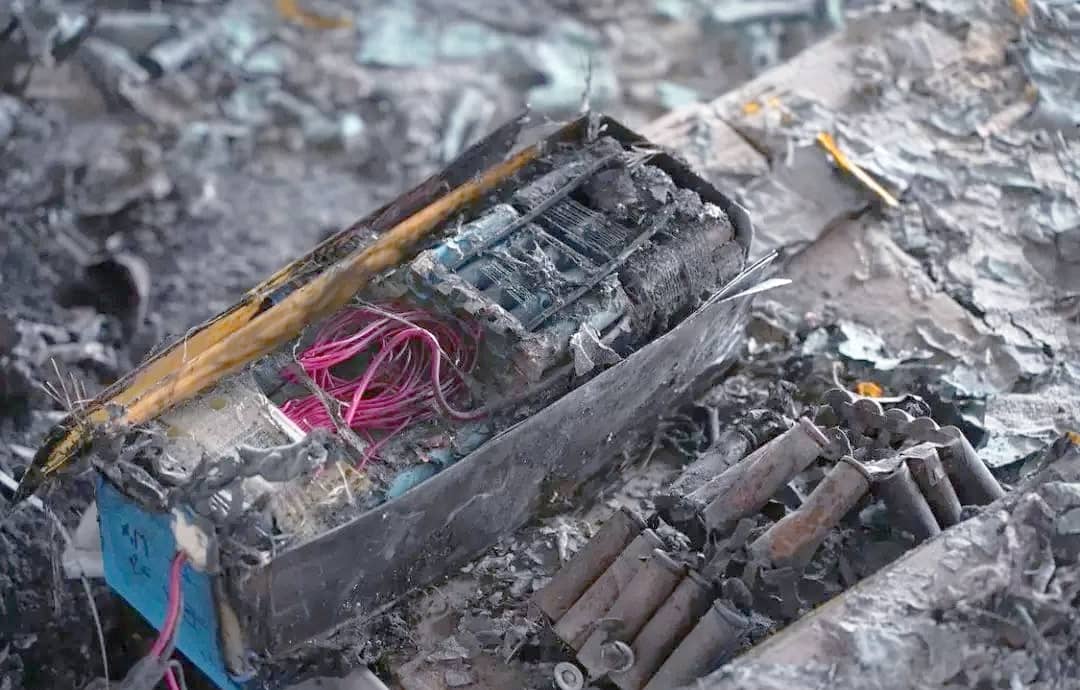
As electric vehicles (EVs) move rapidly into the mainstream, attention increasingly focuses on their most critical component—the battery system. Among various lithium-ion chemistries, lithium iron phosphate (LiFePO4) batteries are widely recognized for their superior safety, thermal stability, and long cycle life.
However, even LiFePO4 batteries are not completely immune to thermal runaway. Under extreme mechanical, electrical, or thermal stress, a chain reaction may occur that leads to overheating, fire, or even explosion.
Understanding how thermal runaway develops—and how to prevent it—is essential for EV manufacturers, energy storage system designers, and battery users.
This article explains:
- What battery thermal runaway is
- The scientific mechanism behind it
- The primary causes in LiFePO4 batteries
- Potential risks and consequences
- Proven strategies to prevent thermal runaway
What Is Battery Thermal Runaway?
Battery thermal runaway occurs when the internal temperature of a lithium-ion cell increases uncontrollably and exceeds the system’s ability to dissipate heat.
Once initiated, this process becomes self-accelerating, generating more heat through chemical reactions inside the cell. These reactions may lead to:
- Electrolyte decomposition
- Gas generation and pressure buildup
- Ignition of flammable materials
In electric vehicles, this risk is particularly serious because lithium batteries store high energy density in compact battery packs. If a fault occurs—such as internal short circuits or overcharging—the generated heat can rapidly propagate to neighboring cells.
Additionally, surrounding materials in vehicles, such as wiring insulation or interior components, may further accelerate fire spread.
The Science Behind Thermal Runaway
Thermal runaway in lithium-ion batteries results from a cascade of chemical and physical reactions that occur as temperature rises.
SEI Layer Decomposition
At approximately 80–120 °C, the Solid Electrolyte Interface (SEI) layer on the anode begins to break down. This protective layer normally stabilizes the anode surface. Once degraded, the anode becomes highly reactive with the electrolyte.
Separator Shrinkage and Failure
Battery separators—typically made from polyethylene or polypropylene—start to shrink or melt at around 130–170 °C.
If temperatures exceed 190 °C, the separator may rupture completely, allowing direct contact between the anode and cathode and causing internal short circuits.
Electrode Decomposition
At higher temperatures, cathode materials can begin to decompose and release oxygen. This oxygen reacts with the electrolyte, dramatically increasing heat generation and accelerating the runaway process.
Gas Generation and Pressure Build-Up
As internal reactions intensify, gases rapidly accumulate inside the cell. This leads to increasing internal pressure until safety vents rupture, potentially triggering fire or explosion.
Because these reactions reinforce one another, thermal runaway is extremely difficult to stop once it begins.
Primary Causes of Thermal Runaway in EV Batteries
Although LiFePO4 batteries are known for their strong thermal stability, certain conditions can still trigger thermal runaway.
1. Overheating
High ambient temperatures or poorly designed cooling systems can cause heat to accumulate inside the battery pack.
2. Overcharging or Over-Discharging
Exceeding the voltage limits of LiFePO4 cells can accelerate internal degradation and generate excessive heat.
3. Internal Short Circuits
Manufacturing defects, contamination during production, or dendrite formation may create internal short circuits that produce sudden heat spikes.
4. Mechanical Damage
Physical impacts such as collisions, punctures, or compression can damage separators and electrodes, leading to electrical failure.
5. Thermal Propagation
Heat from a failing cell can spread to adjacent cells, triggering a chain reaction within the battery pack.
In many real-world incidents, these factors occur simultaneously. For example, a vehicle collision may cause internal damage that creates a short circuit, which then generates heat and initiates thermal runaway.
Why LiFePO4 Batteries Are Still Safer
Despite these risks, LiFePO4 batteries remain one of the safest lithium-ion chemistries available.
Compared with nickel-rich batteries, LiFePO4 cathode materials are far more thermally stable and release significantly less oxygen during decomposition. As a result, they require more extreme conditions to trigger thermal runaway.
However, risks still exist when:
- Manufacturing quality is poor
- Batteries are repeatedly abused or misused
- Cells experience severe mechanical damage
- Extreme environmental conditions are present
For this reason, safety engineering remains essential.
Consequences of LiFePO4 Thermal Runaway
When thermal runaway occurs, the impact extends beyond the individual battery cell.
Battery Performance Degradation
Excessive heat damages internal components, reducing battery capacity, cycle life, and overall reliability.
Fire and Explosion Hazards
Electrolyte combustion and oxygen release may cause fires that threaten passengers, infrastructure, and nearby vehicles.
System Failure and Downtime
In EVs or energy storage systems, a damaged battery pack can disable the entire system, leading to expensive repairs, recalls, or operational downtime.
Strategies to Prevent LiFePO4 Thermal Runaway
Preventing thermal runaway requires a multi-layer safety approach involving design, manufacturing, monitoring, and user practices.
1. Battery Management Systems (BMS)
A robust BMS ensures balanced charging across cells and prevents overcharging or deep discharge.
2. Advanced Cooling Systems
Liquid cooling, heat pipes, or phase-change materials help maintain stable operating temperatures in high-capacity battery packs.
3. Real-Time Thermal Monitoring
Temperature sensors combined with predictive algorithms can detect abnormal conditions early and isolate affected modules.
4. High-Quality Manufacturing
Strict quality control reduces internal defects that could cause short circuits.
5. Safety Testing and Inspection
Non-destructive testing techniques such as X-ray imaging and ultrasonic inspection help identify hidden manufacturing flaws.
6. Responsible Charging Practices
Users should follow proper charging guidelines and avoid extreme environmental conditions.
7. Emergency Safety Systems
Modern EV battery packs incorporate fire-resistant structures and safety venting systems to minimize damage during failure events.
8. Recycling and End-of-Life Management
Safe recycling programs reduce risks associated with aging or damaged battery packs.
Conclusion
LiFePO4 batteries are widely recognized for their superior safety compared with many other lithium-ion chemistries. Nevertheless, thermal runaway remains a critical risk under extreme conditions such as mechanical damage, electrical abuse, or manufacturing defects.
Through advanced battery management systems, effective thermal design, strict quality control, and responsible usage, the likelihood of thermal runaway can be significantly reduced.
As electric vehicles and energy storage systems continue to expand worldwide, ongoing improvements in battery safety technologies will play a key role in building long-term trust and reliability in the industry.
Popular Articles
Contact Details
Worktime :Monday to Friday 9am - 6pm (HKT)
WhatsApp/Wechat/Mobile :+8613645616165
Email : info@lifepo4cellstore.com