Blog
UN3480 vs UN3481: Complete Guide to Shipping Lithium-Ion Batteries Safely and Legally
2026-03-15 | Eric
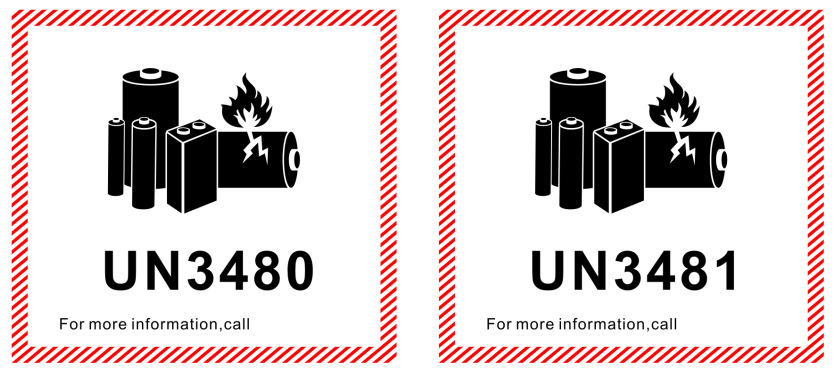
Lithium-ion batteries power modern life—from smartphones and laptops to medical devices, drones, and industrial equipment. Their high energy density makes them efficient and compact, but it also introduces potential safety risks such as overheating, fire, and thermal runaway.
To manage these risks, international regulators established strict transportation rules, particularly the classifications **UN3480** and **UN3481** under the **United Nations** dangerous goods system.
For manufacturers, logistics providers, and procurement managers, understanding the difference between these two classifications is essential to avoid shipment delays, regulatory penalties, and safety incidents.
This guide explains the key differences, packaging rules, documentation requirements, and best practices for compliant lithium-ion battery shipping.
Why Lithium-Ion Battery Shipping Is Strictly Regulated
Lithium-ion batteries are widely used because they offer:
- High energy density
- Long cycle life
- Rechargeability
- Lightweight design
However, damaged or improperly handled lithium batteries can enter thermal runaway, a chain reaction that may cause fires or explosions. Because these incidents are difficult to control—especially during air transport—global transport regulations enforce strict safety procedures.
The most widely adopted standards come from organizations such as:
- International Air Transport Association (IATA Dangerous Goods Regulations)
- International Maritime Organization (IMDG Code)
- United Nations Model Regulations on the Transport of Dangerous Goods
UN3480 vs UN3481: What’s the Difference?
Understanding the distinction between these two UN numbers is the foundation of compliant shipping.
| Classification | Description | Typical Example |
|---|---|---|
| UN3480 | Lithium-ion batteries shipped by themselves | Battery packs shipped to a distributor |
| UN3481 | Lithium-ion batteries contained in equipment or packed with equipment | Laptop with built-in battery |
UN3480 – Batteries Shipped Alone
When batteries are transported without equipment, they present higher risk. As a result, regulations are stricter.
UN3481 – Batteries With or Inside Equipment
When batteries are installed inside devices or packaged together with equipment, the risk is lower, and regulations may be less restrictive depending on the battery capacity.
UN3480 Regulations: Shipping Lithium-Ion Batteries Alone
Shipping standalone lithium batteries requires strict adherence to packaging, documentation, and labeling rules.
Packaging Requirements
For UN3480 shipments, companies must follow these packaging guidelines:
- Batteries must be protected against short circuits using insulating materials or terminal covers.
- Cells must be separated with non-conductive dividers.
- State of Charge (SoC) must typically be 30% or less for air transport unless exemptions apply.
- Packaging must withstand vibration, impact, and pressure changes.
- Batteries must not be packed with incompatible hazardous materials.
Using UN-approved packaging is strongly recommended to ensure compliance with dangerous goods regulations.
Documentation Requirements
Proper paperwork is essential when shipping lithium batteries internationally.
For UN3480 shipments, shippers must provide:
- A Shipper’s Declaration for Dangerous Goods (DGD)
- An air waybill statement indicating: “Dangerous Goods as per attached Shipper’s Declaration.”
- A “Cargo Aircraft Only” declaration when applicable
Passenger aircraft generally cannot carry UN3480 lithium batteries, making this label critical for air transport.
Labeling and Marking
Each package must include clear and durable hazard markings.
Typical requirements include:
- Class 9 Hazard Label (Miscellaneous Dangerous Goods)
- UN number marking: UN3480
- Cargo Aircraft Only label when required
These labels alert handlers and carriers that the shipment contains potentially hazardous materials.
UN3481 Regulations: Batteries Packed With Equipment
UN3481 applies when lithium-ion batteries are:
- Installed inside devices (e.g., laptops or medical equipment)
- Packed in the same package as the equipment they power
Because the batteries are protected by equipment packaging, the regulations can be less restrictive under certain conditions.
Packaging Specifications
To comply with UN3481 requirements:
- Batteries must be placed in fully enclosed inner packaging
- Inner packaging must be secured inside strong outer packaging
- Packaging must prevent movement or impact
- Only the number of batteries needed to power the equipment plus two spare batteries is typically allowed
For smaller batteries:
- Cells ≤ 20 Wh
- Batteries ≤ 100 Wh
Shipments may qualify for simplified documentation requirements.
Documentation Considerations
Documentation depends on the battery capacity.
If the Watt-hour rating exceeds regulatory thresholds, a Shipper’s Declaration for Dangerous Goods is required.
If batteries fall within small battery limits:
- DGD may not be required
- However, air waybills and commercial invoices must still accurately describe the shipment
Accurate paperwork helps prevent customs inspections, shipment delays, or carrier rejection.
Labeling and Marking Requirements
Typical labeling requirements include:
- Class 9 hazard label when applicable
- UN3481 marking
- Lithium Battery Handling Label for many air shipments
These markings inform carriers whether batteries are installed in equipment or shipped alongside it.
Key Safety Risks in Lithium-Ion Battery Transport
Even when shipments comply with regulations, lithium batteries still present risks.
Counterfeit or Poor-Quality Batteries
Low-quality batteries may lack proper safety circuits, increasing the risk of failure during transport.
Thermal Runaway
If one cell overheats, it can trigger neighboring cells, creating a chain reaction fire.
Air Transport Fire Risks
Aircraft cargo fires involving lithium batteries are particularly dangerous because they are difficult to extinguish at altitude.
These risks are why regulators enforce strict transport rules worldwide.
Common Compliance Challenges
Many companies struggle to maintain full compliance with lithium battery shipping regulations.
Typical challenges include:
- Frequent updates to IATA and IMDG regulations
- Misclassification between UN3480 and UN3481
- Incorrect packaging materials
- Missing or incomplete documentation
- Lack of dangerous goods training for staff
For industries such as healthcare, aviation, and advanced manufacturing, even small compliance errors can disrupt critical supply chains.
Best Practices for Shipping Lithium-Ion Batteries
To reduce risk and ensure regulatory compliance, companies should follow these industry best practices:
1. Train Employees in Dangerous Goods Regulations
Staff involved in packaging and shipping should receive certified training in hazardous materials handling.
2. Use Certified UN Packaging
Approved packaging reduces the risk of damage, short circuits, and regulatory violations.
3. Track Watt-Hour Ratings
Always verify battery Wh ratings to determine which documentation requirements apply.
4. Work With Experienced Logistics Providers
Specialized carriers understand dangerous goods regulations and reduce the risk of shipment rejection.
5. Prepare Emergency Response Plans
Facilities handling lithium batteries should maintain:
- Fire suppression systems
- Spill kits
- Emergency procedures for damaged batteries
These precautions help protect employees, facilities, and supply chains.
Conclusion
Shipping lithium-ion batteries safely requires a clear understanding of UN3480 and UN3481 regulations. The classification determines everything from packaging standards to documentation requirements and labeling rules.
Organizations that follow proper procedures can:
- Reduce safety risks
- Avoid shipment delays
- Maintain regulatory compliance
- Protect global supply chains
As lithium-ion batteries continue powering industries from consumer electronics to medical technology, safe and compliant transport is more important than ever.
Popular Articles
Contact Details
Worktime :Monday to Friday 9am - 6pm (HKT)
WhatsApp/Wechat/Mobile :+8613645616165
Email : info@lifepo4cellstore.com