Blog
Understanding the Key Differences Between LiPo and Li-ion Batteries: A Comprehensive Guide
2026-04-21 | Eric
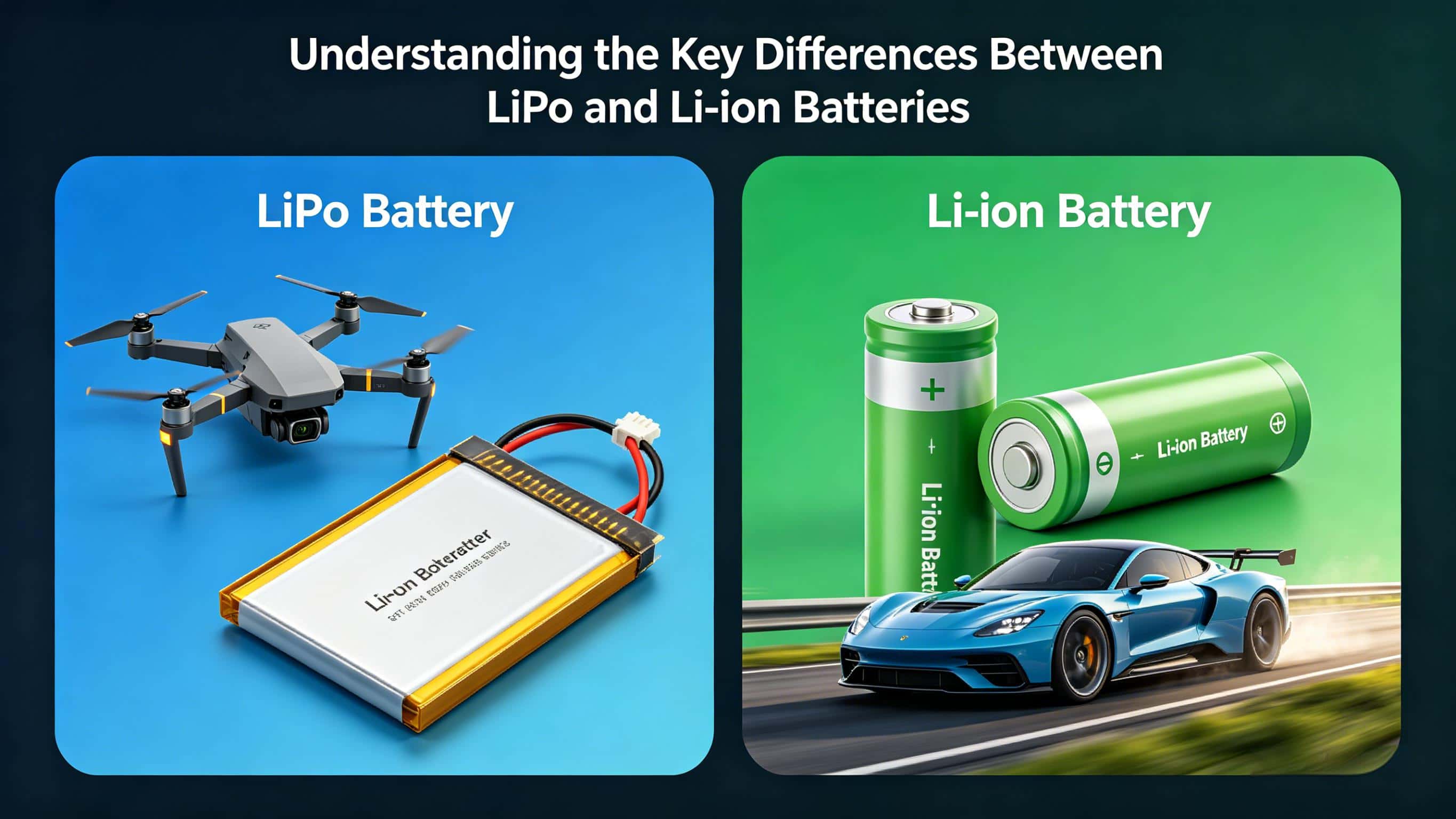
When it comes to selecting the right battery for your devices or industrial applications, understanding the differences between LiPo (Lithium Polymer) and Li-ion (Lithium-ion) batteries is crucial. Both battery types rely on lithium-ion chemistry, but they differ significantly in terms of design, energy density, safety, and performance. In this guide, we’ll explore these differences and help you determine which battery is the best fit for your needs, whether you're an engineer, a DIY enthusiast, or a business buyer looking for optimal power solutions.
Part 1: Overview of LiPo and Li-ion Batteries
1.1 What Is a Lithium Polymer Battery (LiPo)?
A Lithium Polymer (LiPo) battery is a rechargeable energy source that uses a gel-like polymer electrolyte instead of the liquid electrolyte found in traditional lithium-ion batteries. This innovation makes LiPo batteries more flexible and lighter, which is ideal for applications that require compact or custom-sized batteries. LiPo batteries are often found in drones, RC models, and wearable technology, where space and weight are critical factors.
LiPo batteries also feature unique charge/discharge curves, helping to monitor the State of Charge (SOC) and ensuring safe operation in high-performance applications. Their flexible design and high-energy density make them a preferred choice for industries needing lightweight and customizable power solutions.
1.2 What Is a Lithium-ion Battery (Li-ion)?
A Lithium-ion (Li-ion) battery is another rechargeable battery that offers high energy density. It operates by transferring lithium ions between the anode and cathode through a liquid electrolyte. This design allows for efficient charge storage and makes Li-ion batteries suitable for power-hungry applications like electric vehicles, consumer electronics, and large-scale energy storage systems.
Li-ion batteries are highly durable and have become the standard in modern battery technologies due to their reliability and high capacity, making them indispensable for applications that require long-lasting energy storage.
Part 2: Detailed Comparison Between LiPo and Li-ion Batteries
2.1 Composition and Design: Gel Polymer vs. Liquid Electrolyte
The design and composition of LiPo and Li-ion batteries are at the heart of their performance and suitability for different applications. Here's a breakdown of the differences:
- Li-ion Batteries: These use a liquid electrolyte, which allows lithium ions to move freely between the battery's anode and cathode. This contributes to a higher energy density but requires a rigid casing to prevent leaks, increasing the weight of the battery.
- LiPo Batteries: In contrast, LiPo batteries use a gel-like polymer electrolyte. The semi-solid structure of the electrolyte is denser and more flexible, allowing for lighter, customizable designs. However, this flexibility comes with a slight trade-off in energy transfer efficiency compared to Li-ion batteries.
In terms of safety, LiPo batteries are less prone to leakage thanks to the gel electrolyte, while Li-ion batteries require careful casing to prevent leakage due to the liquid electrolyte.
2.2 Performance Metrics: Energy Density, Power Output, and Lifespan
LiPo and Li-ion batteries offer different performance metrics that are important when choosing the right battery for your application. Here’s a quick comparison:
| Metric | LiPo | Li-ion |
|---|---|---|
| Energy Density | Higher | Lower |
| Power Output | Generally higher | Varies, often lower |
| Lifespan | 500-800 cycles | Up to 5,000 cycles |
Energy Density: LiPo batteries have a higher energy density, meaning they can store more energy in a smaller space, making them ideal for compact devices like drones.
Power Output: LiPo batteries excel in delivering high power output, which is why they are favored for high-discharge applications such as drones and remote-control devices.
Lifespan: While LiPo batteries have a shorter lifespan (around 500-800 cycles), Li-ion batteries are much more durable, lasting up to 5,000 cycles with proper care and lower charge voltage.
2.3 Safety Considerations: Thermal Runaway and Durability
Safety is a significant concern when selecting any battery type. Both LiPo and Li-ion batteries have their unique safety characteristics:
- Li-ion Batteries: Li-ion batteries are prone to thermal runaway (a dangerous chain reaction) if they overheat or experience internal short circuits. Proper protection circuits are crucial to mitigate this risk.
- LiPo Batteries: LiPo batteries are less likely to leak due to their gel-like electrolyte. However, they can swell under extreme conditions (e.g., overcharging), which requires careful monitoring.
Both battery types need proper handling to avoid damage or safety risks. For industrial or high-performance applications, safety features such as overcharge protection and ventilation should be in place.
2.4 Cost and Maintenance: Long-Term Investment Analysis
When comparing costs and maintenance requirements:
- LiPo Batteries: These are typically more expensive upfront, but their flexibility and high energy output make them ideal for specific applications. However, after about 800 charge cycles, their performance may decline significantly.
- Li-ion Batteries: Although Li-ion batteries might have a higher initial cost, their longevity (up to 5,000 cycles) and low self-discharge rates make them more cost-effective in the long term, especially for applications like electric vehicles and renewable energy storage.
Both battery types require regular maintenance to ensure optimal performance. Monitoring the charging process and adhering to recommended usage guidelines can extend their lifespan and reduce overall costs.
Part 3: Practical Recommendations for Choosing the Right Battery
3.1 When to Choose Lithium Polymer Batteries (LiPo)
LiPo batteries are best suited for applications where lightweight, flexible, and high-discharge solutions are needed. Consider LiPo batteries for:
- Drones: LiPo batteries are essential for drones, where power output and lightweight design are critical for performance.
- Wearable Tech: The compact, flexible design of LiPo batteries is perfect for wearables like fitness trackers and smartwatches.
- RC Devices: Remote-controlled vehicles and models benefit from the high power output and small form factor of LiPo batteries.
If your application requires a rapid burst of power or high discharge rates, LiPo batteries are the way to go. Just be mindful of the potential for swelling and follow proper usage guidelines to extend their lifespan.
3.2 When to Choose Lithium-ion Batteries (Li-ion)
Li-ion batteries are ideal for applications that prioritize long-term performance, energy density, and durability. They are the best choice for:
- Electric Vehicles (EVs): Li-ion batteries provide the energy density needed for efficient electric vehicles.
- Renewable Energy Storage: Li-ion batteries are commonly used for storing solar and wind energy due to their reliability and long lifespan.
- Consumer Electronics: Smartphones, laptops, and tablets often rely on Li-ion batteries due to their compact size and long-lasting energy storage.
If you need a battery that can withstand thousands of charge cycles and provide consistent performance over time, Li-ion is the preferred option.
Conclusion
In summary, choosing between LiPo and Li-ion batteries boils down to the specific needs of your application. LiPo batteries offer a flexible, lightweight design and are ideal for high-discharge applications like drones and wearables. On the other hand, Li-ion batteries provide higher energy density, longer lifespan, and are better suited for durable, long-term power solutions like electric vehicles and renewable energy storage.
By understanding the strengths and weaknesses of both types, you can make an informed decision and ensure your application operates safely and efficiently.
FAQ
1. Which battery is better for drones, LiPo or Li-ion?
LiPo batteries are generally preferred for drones due to their high discharge rate, lightweight design, and flexible form factor.
2. Can I use Li-ion batteries in my electric vehicle?
Yes, Li-ion batteries are commonly used in electric vehicles because of their high energy density and long lifespan, making them ideal for storing energy for long drives.
3. How can I extend the lifespan of my LiPo battery?
To maximize the lifespan of your LiPo battery, avoid overcharging, overdischarging, and exposing the battery to extreme temperatures. Regularly monitor the charge cycles to ensure the battery remains in good condition.
4. Are Li-ion batteries safe to use?
Yes, Li-ion batteries are safe if handled properly. However, they can overheat or undergo thermal runaway if damaged or improperly charged. Always follow safety protocols.
Popular Articles
Contact Details
Worktime :Monday to Friday 9am - 6pm (HKT)
WhatsApp/Wechat/Mobile :+8613645616165
Email : info@lifepo4cellstore.com