Blog
Fast Charging vs Slow Charging: Which is Better for Battery Life?
2026-04-18 | Eric
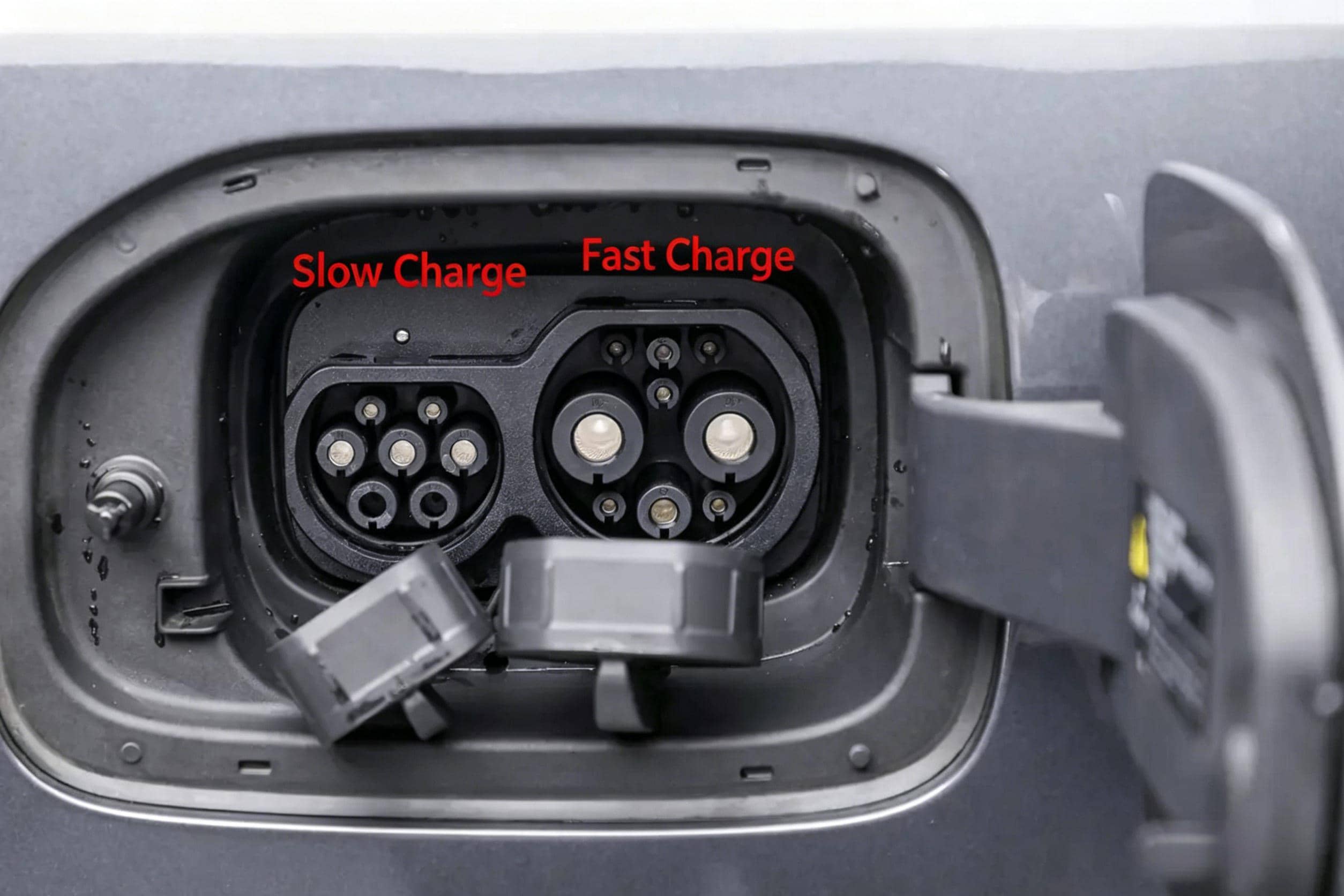
In today's technology-driven world, lithium batteries are at the heart of everything from electric vehicles (EVs) to consumer electronics and medical devices. As charging technology evolves, so does the debate over fast charging versus slow charging, especially when it comes to battery longevity. So, which method is best for your lithium battery’s health?
Let’s explore how charging speed affects battery performance, longevity, and the overall user experience to help you make the right choice.
Key Takeaways:
- Slow Charging: Better for battery health. It generates less heat, reduces stress, and extends lifespan.
- Fast Charging: Useful when you need quick power, but excessive use can accelerate battery wear.
- Optimal Charge Range: Keep your battery’s charge between 20-80% for optimal longevity.
- Long-Term Health: Slow charging is the preferred method when maximizing battery life is the goal.
Part 1: Understanding Fast and Slow Charging
1.1 What is Fast Charging?
Fast charging refers to delivering a high amount of power to a battery in a short period, typically using DC (Direct Current) charging methods like DC fast charging. This can involve power levels ranging from 20 kW to 120 kW, allowing EVs to recharge in 15 minutes to 1 hour. While fast charging is invaluable in industries like fleet management, robotics, and electric vehicles, it generates significant heat. Without adequate thermal management, such high-speed charging can stress the battery, accelerating its degradation.
Use Case: Fast charging is essential for reducing downtime in industries where speed is critical, such as in electric vehicle fleets, robotics, and industrial machinery.
1.2 What is Slow Charging?
Slow charging, on the other hand, uses AC (Alternating Current) technology and delivers power at a much lower rate (typically up to 2 kW). While this process takes longer—often several hours—it produces less heat and significantly reduces chemical stress on the battery. This method is commonly used for charging consumer electronics, medical devices, and EVs in personal or controlled environments.
Use Case: Slow charging is ideal for applications where battery life is more important than speed, such as in medical devices, consumer electronics, and security systems.
1.3 Key Differences Between Fast and Slow Charging
| Feature | Fast Charging | Slow Charging |
|---|---|---|
| Power Source | DC (20-120 kW) | AC (up to 2 kW) |
| Charging Speed | Rapid (15 minutes to 1 hour) | Gradual (6 hours or more) |
| Heat Generation | High | Low |
| Battery Longevity Impact | Accelerated degradation | Prolonged lifespan |
Part 2: Effects of Fast Charging on Lithium Battery Longevity
2.1 Heat Generation and Its Impact
Heat is one of the biggest concerns when it comes to fast charging. Studies show that battery temperature can rise above 75°C within minutes of high-speed charging, leading to thermal stress. This heat accumulation not only reduces efficiency but also accelerates battery aging by affecting the solid electrolyte interphase (SEI). A compromised SEI can increase internal resistance and shorten the battery’s overall lifespan.
Example: In one study, batteries that reached over 75°C during fast charging showed a 32% degradation in performance after 250 cycles, compared to just 22% degradation in batteries exposed to less intense charging pulses.
2.2 Chemical Stress and Accelerated Degradation
In addition to heat, fast charging imposes chemical stress on the battery’s internal structure. The rapid movement of lithium ions can cause electrode deformation and gas pocket formation, significantly reducing the cycle life of the battery. Lithium batteries typically last for around 1,000 cycles when frequently fast-charged, whereas slow charging can extend this to over 3,000 cycles.
Optimal Charging Practices: To minimize the chemical stress, it's essential to keep the State of Charge (SOC) below 100% during fast charging. Charging between 20% to 80% SOC is shown to greatly increase battery longevity.
2.3 When Fast Charging is Necessary
Fast charging is crucial when operational efficiency is the priority. For electric vehicles (EVs), fleet vehicles, and industrial machinery, rapid recharging ensures minimal downtime, making fast charging a necessity despite its potential downsides. However, smart charging systems and advanced thermal management are helping mitigate the negative effects on battery health.
Part 3: Effects of Slow Charging on Lithium Battery Longevity
3.1 Reduced Stress on Battery Cells
Slow charging is less taxing on battery cells. By delivering power at a lower rate, it allows ions to stabilize more evenly, reducing the risk of structural damage and extending the battery’s cycle life. The slower charging process helps preserve the integrity of the electrodes and the SEI layer, crucial for battery health.
Benefit for Long-Term Use: Industries like medical devices and consumer electronics, where reliability is paramount, benefit from the reduced chemical stress offered by slow charging.
3.2 Prolonged Lifespan and Cycle Retention
Studies indicate that lithium batteries that undergo slow charging retain over 80% of their capacity even after extensive use. This is particularly beneficial in industries like robotics and medical technology, where battery performance directly impacts operational success.
Key Insights:
- Batteries retain over 80% capacity after 200,000 kilometers of use.
- The State of Health (SoH) of batteries often stays above 90% after 3-5 years of usage.
3.3 Challenges of Slow Charging in High-Demand Applications
Despite its advantages, slow charging may not always meet the needs of high-demand industries. In areas such as transportation and industrial applications, where quick turnaround is essential, the extended charging times of slow charging may not be feasible.
Part 4: Comparing Fast and Slow Charging for Battery Health
4.1 Pros and Cons of Fast Charging
Pros:
- Rapid charging speed minimizes operational downtime.
- Ideal for high-demand applications like fleet vehicles and industrial machinery.
- Technological advancements in smart charging systems can mitigate some negative effects, potentially increasing battery life by up to 40%.
Cons:
- Generates high heat, accelerating battery degradation.
- Can reduce cycle life to around 1,000 cycles (vs. 3,000+ cycles with slow charging).
- Frequent use leads to structural damage (electrode deformation, gas pockets).
4.2 Pros and Cons of Slow Charging
Pros:
- Promotes battery longevity by reducing heat and chemical stress.
- Economical and cost-effective for everyday use.
- Convenient for overnight charging at home.
- Reduces strain on the electric grid, contributing to sustainable energy use.
Cons:
- Slow charging times may not meet the needs of high-demand industries.
- Limited availability of public slow charging stations.
- Requires advanced planning for long trips or tight schedules.
4.3 Selecting the Optimal Charging Method
Choosing between fast and slow charging depends on your specific application and operational needs. A balanced approach often provides the best results, combining both methods depending on context.
For example, in electric vehicles, time-of-use pricing and charging scheduling can optimize both speed and cost, minimizing the impact on battery health.
Conclusion
To maximize the lifespan of your lithium batteries, it’s crucial to balance fast and slow charging methods based on usage patterns. Slow charging is ideal for preserving battery health, while fast charging remains essential for situations demanding quick turnaround.
Key Takeaway: For longer battery life, minimize fast charging. Opt for slow charging when possible, and aim to keep your charge levels between 20-80% for optimal health.
Popular Articles
Contact Details
Worktime :Monday to Friday 9am - 6pm (HKT)
WhatsApp/Wechat/Mobile :+8613645616165
Email : info@lifepo4cellstore.com