Blog
Why Does LiFePO4 Battery Capacity Decline?
2025-11-15 | Eric
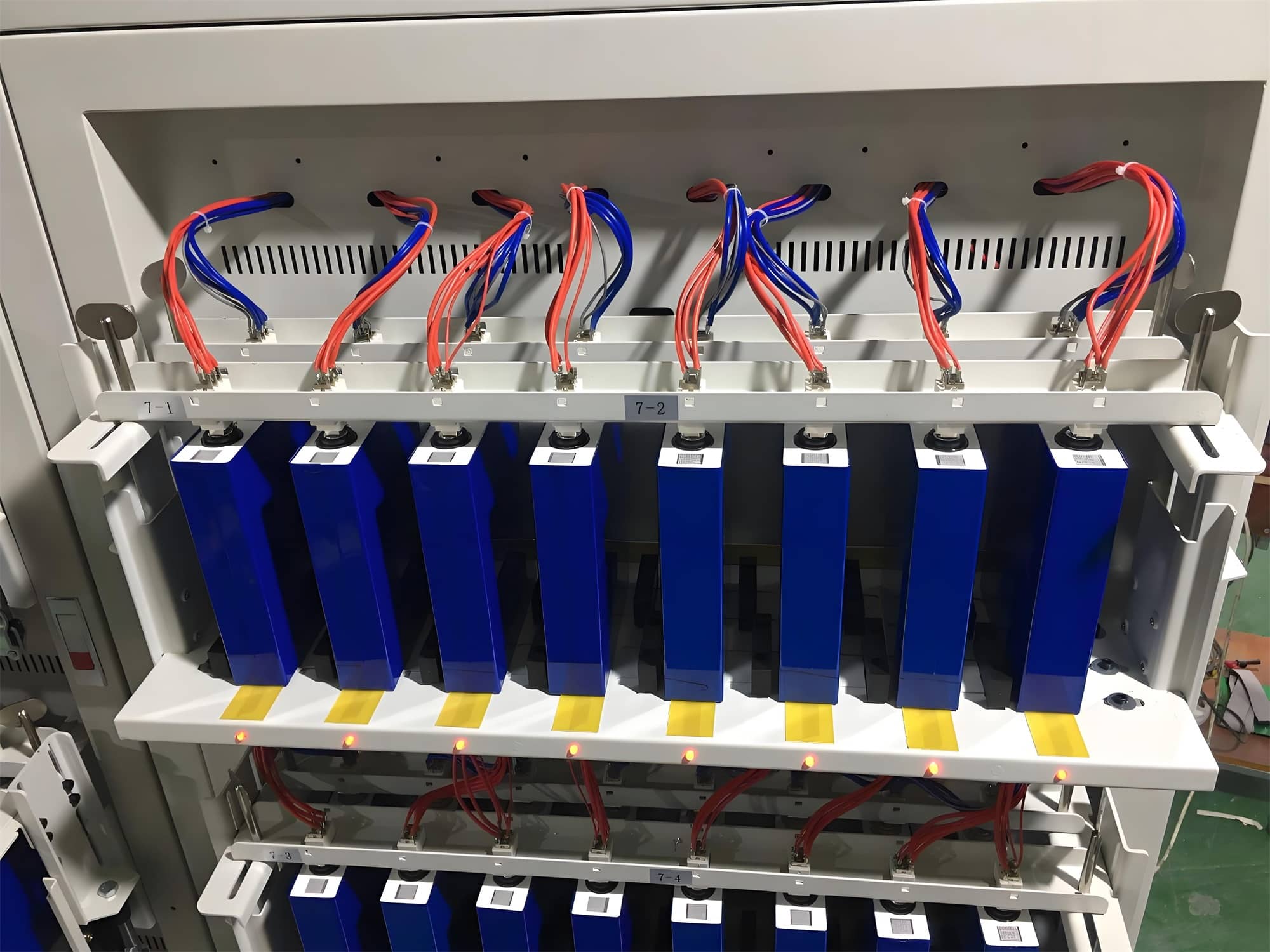
The decline in LiFePO4 battery capacity is a natural and inevitable process. All batteries, including LiFePO4 (Lithium Iron Phosphate) batteries, experience a reduction in capacity over time due to inherent chemical and physical changes that occur during their use. Understanding the reasons behind this decline can help users take steps to prolong battery life and optimize performance.
Key Factors Contributing to LiFePO4 Battery Capacity Decline
1. Changes in the Structure of the Cathode Material
The cathode material, a critical component of the LiFePO4 battery, plays a major role in its overall performance. During charging and discharging cycles, lithium ions are extracted from and reinserted into the cathode material. This constant cycling can cause the material to undergo oxidation, leading to structural degradation. As the cathode material’s structure deteriorates, the electrochemical performance of the battery decreases, which results in a loss of capacity.
2. Changes in the Structure of the Anode Material
The anode of LiFePO4 batteries is typically made of graphite. During charging, a solid electrolyte interphase (SEI) forms on the surface of the anode. While this is a normal part of battery operation, it also consumes lithium ions. Over time, the graphite structure can become unstable, which leads to a decrease in the battery’s ability to store charge, ultimately reducing capacity.
3. Oxidative Decomposition of the Electrolyte
The electrolyte plays a crucial role in the performance of LiFePO4 batteries, affecting energy density, lifespan, charge-discharge efficiency, and safety. The electrolyte consists of solvents, salts, and additives, all of which can degrade over time. The oxidative decomposition of these components results in a gradual loss of capacity. As the electrolyte breaks down, it impacts the battery’s overall performance and efficiency.
4. Overcharging the LiFePO4 Battery
Overcharging is one of the primary causes of irreversible damage to LiFePO4 batteries. When a battery is overcharged, electrochemically inert compounds such as Co3O4 and Mn2O3 may form, disrupting the balance between the electrodes. This chemical reaction is irreversible and leads to a permanent loss in battery capacity. Therefore, avoiding overcharging is crucial to maintaining the health and lifespan of the battery.
5. Storage Temperature
Improper storage conditions can also accelerate the decline in battery capacity. Storing LiFePO4 batteries at high temperatures, especially when the battery is near full charge (100% SOC), can result in significant capacity loss. For instance, a LiFePO4 battery stored at 40°C for a year with nearly full charge could lose up to 35% of its capacity. It is essential to store batteries in a cool, dry environment to minimize this effect.
How to Minimize LiFePO4 Battery Capacity Decline
While it’s impossible to prevent the natural aging process of LiFePO4 batteries, there are steps you can take to slow down capacity decline and extend battery life:
1. Avoid Overcharging and Overdischarging
The most effective way to prolong the life of your LiFePO4 battery is to ensure it is not overcharged or overdischarged. These extreme conditions can cause irreversible damage and accelerate capacity loss. Always use chargers that are compatible with your battery and follow the manufacturer’s guidelines for charging and discharging.
2. Regularly Inspect Battery Terminals
Battery terminals are critical for proper power output. If the terminals become oxidized, it can lead to poor electrical contact, which in turn increases resistance and heat generation. This additional heat can accelerate the capacity decline of the battery. Regularly inspect and clean the terminals to ensure they are free from corrosion.
3. Proper Storage Practices
Store your LiFePO4 batteries in a cool, dry place, away from direct sunlight or heat sources. Avoid storing batteries at full charge for extended periods. If you plan to store the battery for a long time, consider leaving it at about 50% charge to minimize capacity loss.
Conclusion
While LiFePO4 battery capacity decline is inevitable due to the nature of the battery’s chemistry, there are practical measures you can take to slow the process and maximize the lifespan of your battery. By following proper charging and storage practices, avoiding overcharging, and maintaining the battery’s physical condition, you can minimize capacity loss and ensure the battery operates efficiently for as long as possible.
Understanding how LiFePO4 batteries age and how to care for them is crucial for anyone looking to get the most out of their investment in energy storage solutions.
Popular Articles
Contact Details
Worktime :Monday to Friday 9am - 6pm (HKT)
WhatsApp/Wechat/Mobile :+8613645616165
Email : info@lifepo4cellstore.com