Blog
4 Effective Methods for RV Battery Charging: Keep Your Adventure Going
2025-12-27 | Eric
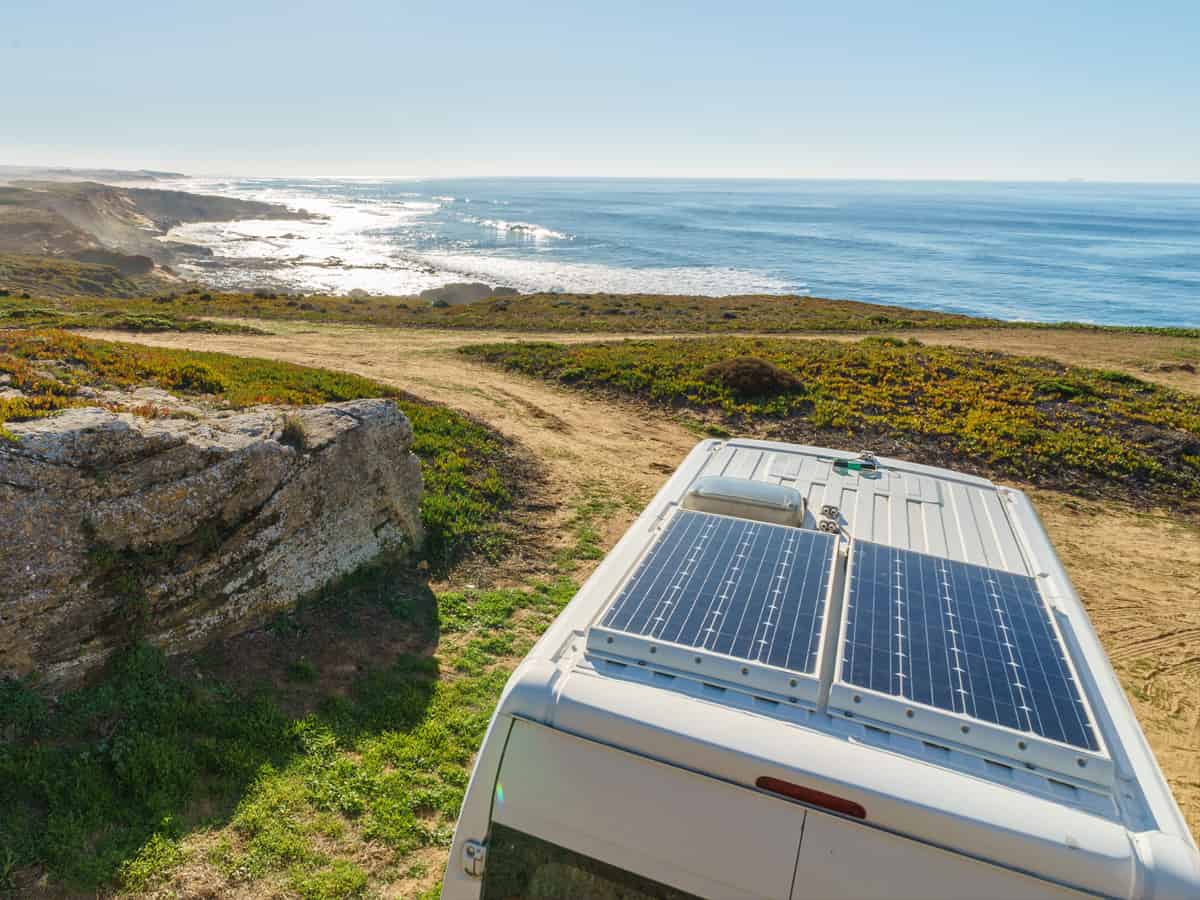
When it comes to RV battery charging, it seems like a simple question, but it’s not as straightforward as it appears. In fact, understanding how to effectively charge your RV batteries is essential for keeping your journey smooth and your devices powered. There are two main types of batteries in an RV: the starter battery, which is used to start the RV, and the energy storage battery, which powers all other electrical systems in the RV. Both of these batteries are constantly being used during travel, which means that over time, they will eventually deplete, leaving you without power. So, what are the best ways to charge your RV batteries and ensure you're never stranded without electricity? Let's explore the four most popular RV battery charging methods.
1. Solar Charging: Harness the Power of the Sun
Solar charging is increasingly popular and, for many RV owners, the coolest way to charge batteries. Installing a solar system on your RV allows you to harness the power of the sun to recharge your energy storage battery. Here are the key advantages:
- Eco-Friendly: Solar energy is a renewable and clean resource, helping you reduce your carbon footprint while powering your RV.
- Sustainable: As long as the sun is shining, your RV battery can be charged, offering a convenient and reliable source of power.
- Battery Protection: Solar charging is gentle on your RV battery, helping prolong its lifespan by preventing overcharging.
- Quiet and Peaceful: Unlike other charging methods, solar panels generate no noise, ensuring a peaceful experience on the road.
However, solar charging has its limitations:
- Efficiency of Solar Panels: The power generated is heavily dependent on the efficiency of your solar panels. Larger panels provide more energy, but the roof space on an RV is often limited.
- Weather Dependency: Solar panels can’t generate power during cloudy days or at night.
- Initial Costs: Installing a solar power system can be costly, making it less practical for those who only use their RV occasionally.
2. Shore Power Charging: The Traditional Option
Shore power charging is the most traditional and straightforward method for recharging your RV battery. It’s as simple as plugging your RV into a power outlet, much like charging your phone. Here are the benefits:
- Convenience: As long as there’s an electrical outlet, you can easily charge your RV.
- Availability: Shore power is a reliable method when you’re parked at a campsite with the necessary infrastructure.
But there are notable drawbacks:
- Limited Access: Shore power is not always available when you’re traveling to remote or unfamiliar locations, particularly in wilderness areas.
- Dependence on Campgrounds: You’ll need to plan your route around campgrounds or RV parks that offer shore power, limiting your flexibility.
3. Fuel Generator Charging: Power On the Go
Fuel generators are another effective option for RV battery charging. Much like fueling your car, a fuel-powered generator allows you to generate electricity on demand. Key benefits include:
- Always Available: As long as you have fuel, you can charge your RV batteries wherever you go.
- Convenience: You don’t need to worry about finding a charging station or campsite; the generator gives you complete autonomy.
However, there are a few notable downsides:
- Ongoing Costs: Fueling a generator can be expensive, and you’ll need to carry extra fuel, which adds weight and takes up space in your RV.
- Environmental Impact: Fuel generators contribute to air pollution and greenhouse gas emissions, which runs counter to the growing trend of sustainable travel.
- Noise and Odor: Fuel-powered generators are noisy and can emit an unpleasant odor, which can significantly detract from your travel experience.
4. Driving Generator Charging: Powering Up While You Drive
Many modern RVs are equipped with driving generators (also known as alternators) that convert kinetic energy from the RV’s engine into electrical power while the vehicle is in motion. This is an efficient and convenient method to charge your RV batteries during long drives. Here’s why it’s popular:
- Convenience: As long as your RV is driving, the batteries are charging, ensuring you don’t need to stop to recharge.
- Automatic: It’s an automatic process, so you don’t need to worry about manually starting a generator or finding a power source.
However, it also has some limitations:
- Auxiliary Charging: The amount of power generated by the alternator is not sufficient for full battery charging, especially if you’re relying on it as your primary source of energy.
- Stationary Limitations: This method only works when the RV is moving, so it’s not useful when parked or stationary for long periods.
Conclusion
RV battery charging isn’t limited to a single solution. As you can see, each charging method has its advantages and limitations. To ensure you always have enough power on the road, consider combining multiple charging methods. For example, you could use solar charging while parked at a campsite, and rely on a driving generator to top off the batteries during long drives. The key is to plan your energy usage wisely based on the specific conditions of your journey.
By using a combination of solar charging, shore power, fuel generator charging, and driving generator charging, you can ensure that your RV stays powered no matter where your adventure takes you. So, plan ahead, and make sure your batteries are always ready to support your travels.
Popular Articles
Contact Details
Worktime :Monday to Friday 9am - 6pm (HKT)
WhatsApp/Wechat/Mobile :+8613645616165
Email : info@lifepo4cellstore.com