Blog
Electric Scooter Battery Guide
2025-10-24 | Eric
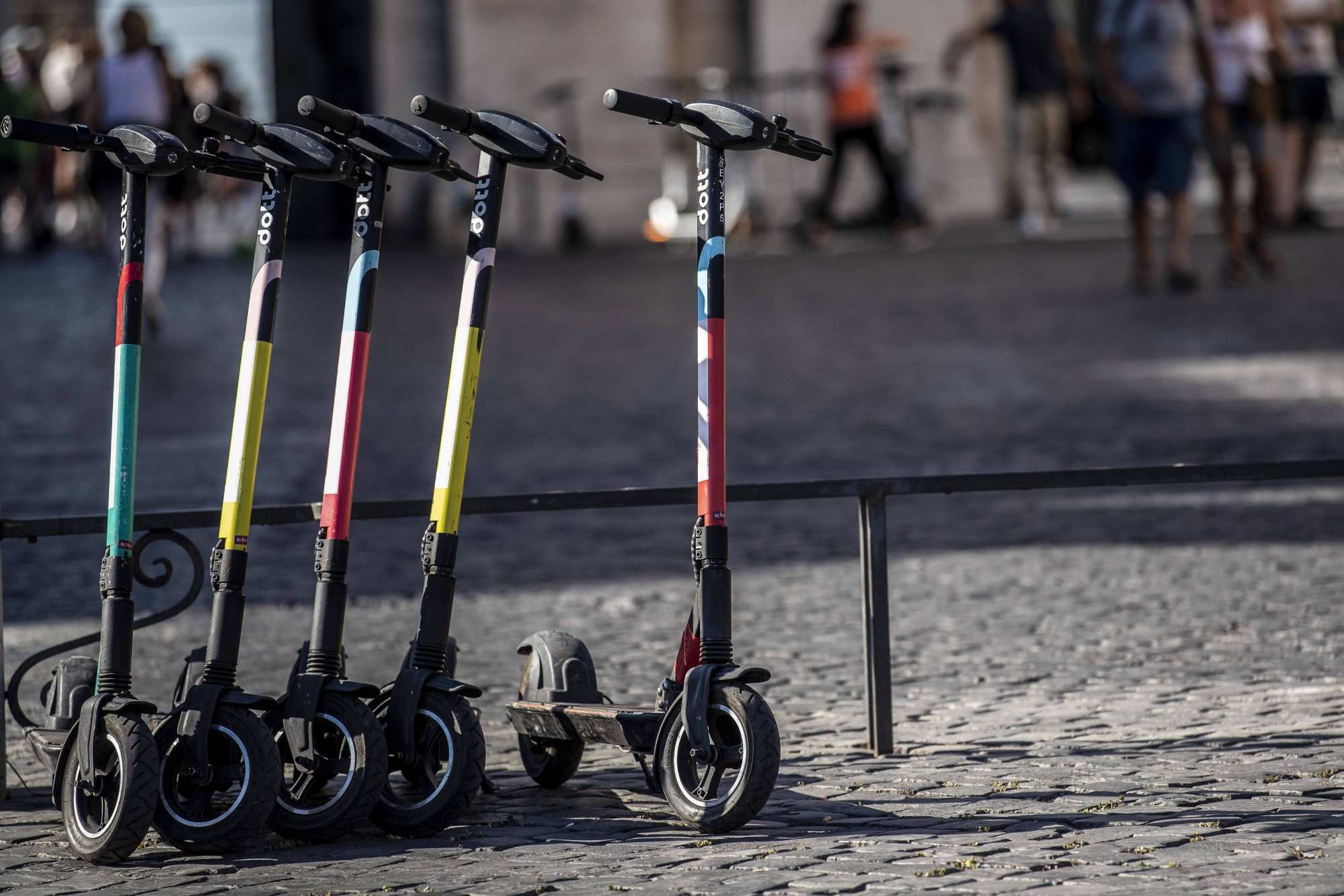
Electric scooters have transformed urban transportation. Not only are they eco-friendly and cost-effective, but they also provide a fast and convenient way to navigate through busy city streets. However, to maximize the performance and lifespan of your electric scooter, choosing the right battery is crucial. In this comprehensive guide, we’ll break down the key factors you need to consider when selecting the best battery for your scooter.
Table of Contents
- Understanding Electric Scooter Battery Types
- How to Choose the Right Battery for Your Electric Scooter
- Best Practices for Charging Your Electric Scooter Battery
- Signs Your Electric Scooter Battery is Failing
- How to Improve Your Electric Scooter Battery Life
- Conclusion
- Looking for the Best Electric Scooter Battery?
Understanding Electric Scooter Battery Types
When it comes to electric scooter batteries, there are a variety of options, each with its own advantages and drawbacks. Understanding the differences will help you make an informed decision based on your needs and budget.
1. Lithium-Ion (Li-Ion) Battery
Lithium-ion batteries are by far the most popular choice for electric scooters. Known for their high energy density and lightweight design, they deliver optimal performance and long-lasting power.
- Advantages: Long lifespan, lightweight, fast charging, and high energy density.
- Disadvantages: Higher initial cost compared to other battery types.
- Best For: Daily commuting, long-range rides, and high-performance scooters.
Li-Ion batteries typically last between 300 and 500 charge cycles, and their ability to charge faster than other types makes them ideal for daily use.
2. Lithium Manganese (INR, NMC) Battery
Lithium Manganese batteries, often labeled as INR or NMC, strike a balance between power output and safety. They are more stable and less likely to overheat, offering a safer alternative without sacrificing too much performance.
- Advantages: Stable and safe, decent energy density.
- Disadvantages: Heavier and bulkier than standard Li-Ion batteries.
- Best For: Riders who prioritize safety but still need good performance.
These batteries are less prone to thermal runaway, which means they provide a safer riding experience.
3. Lead-Acid Battery
Lead-acid batteries are the oldest rechargeable technology still found in some electric scooters. While they are affordable, they come with several drawbacks, including heavier weight, slower charging times, and a shorter lifespan.
- Advantages: Low cost.
- Disadvantages: Heavier, shorter lifespan, longer charging time.
- Best For: Budget-conscious riders or those using their scooters for short-distance commutes.
Despite their affordability, lead-acid batteries are being phased out in favor of more efficient lithium-based options.
How to Choose the Right Battery for Your Electric Scooter
Selecting the right battery goes beyond just picking one with the best power output. There are several key factors you should consider to ensure that the battery meets your needs.
1. Battery Capacity (Ah)
Battery capacity, typically measured in ampere-hours (Ah), determines how far your scooter can travel on a single charge. A higher capacity means a longer range, but also a heavier and more expensive battery.
- Tip: If you're planning on using your scooter for longer distances, look for a battery with a higher Ah rating.
2. Battery Voltage (V)
Voltage impacts your scooter's power output. Most standard electric scooters use 36V batteries, but high-performance models may require 48V or higher batteries.
- Tip: Higher voltage allows for better acceleration and a higher top speed, making it ideal for performance-focused riders.
3. Battery Lifespan
The lifespan of a battery is measured in charge cycles. Typically, lithium-ion batteries last between 300 and 500 charge cycles. It's essential to understand how many cycles a battery can handle before it starts to degrade.
- Tip: Always check the manufacturer’s specifications for the estimated number of cycles.
4. Charging Time
Charging time is a key consideration, especially if you use your scooter frequently. Lithium-ion batteries charge relatively quickly, typically in 3-5 hours.
- Tip: If you need quick turnarounds, opt for a battery that supports fast charging.
5. Battery Weight
The weight of the battery impacts the overall handling of the scooter. Lighter batteries are easier to carry and maneuver, but they might not offer the same range or power as heavier ones.
- Tip: Aim for a balance between weight and performance to ensure your scooter remains efficient without compromising on usability.
6. Compatibility with Your Scooter
Not all batteries fit every electric scooter. Ensure the battery you choose is compatible with your scooter in terms of voltage, capacity, size, and battery type.
- Tip: Always double-check the technical specifications before purchasing a replacement battery.
Best Practices for Charging Your Electric Scooter Battery
Proper charging techniques will not only prolong your battery’s life but also ensure it performs optimally over time.
1. Use the Correct Charger
Always use the charger recommended by the manufacturer to avoid damaging your battery.
2. Charge in a Cool, Dry Place
Heat can degrade battery life, so always charge your scooter in a cool, dry environment.
3. Avoid Overcharging
While most scooters have built-in safeguards, it’s a good practice to unplug the charger once the battery is full.
4. Regular Charging
If possible, charge your scooter after every ride, even if the battery isn’t fully depleted, to avoid deep discharges.
5. Proper Storage
If you're not using your scooter for a while, store the battery at about 50-60% charge to preserve its health.
Signs Your Electric Scooter Battery is Failing
Battery performance naturally declines over time. Here are a few indicators that your battery might be wearing out:
- Reduced Range: If your scooter doesn’t travel as far as it once did on a full charge, the battery may be losing its capacity.
- Slow Charging: If your battery is taking significantly longer to charge, it could be deteriorating.
- Overheating: Excessive heat during charging or use is a sign that the battery is struggling.
- Voltage Sag: A sudden drop in power during use can indicate that the battery is no longer holding a stable charge.
How to Improve Your Electric Scooter Battery Life
Taking a few simple steps can significantly extend the life of your electric scooter battery:
1. Use the Right Charger
- Make sure to use a charger that matches the voltage specifications of your scooter's battery.
2. Smooth Acceleration
- Avoid sudden bursts of acceleration, as it can put unnecessary strain on the battery and reduce its lifespan.
3. Proper Charging Practices
- Charge your scooter after each use, but avoid overcharging. Try to keep your battery charge between 20-40% when possible.
4. Avoid Overloading
- Ensure that you stay within the manufacturer’s recommended weight limit for your scooter to prevent unnecessary stress on the battery.
5. Proper Storage
- Store your electric scooter in a cool, dry place, and avoid exposing it to extreme temperatures.
Conclusion
Choosing the right battery for your electric scooter is essential to ensuring a long-lasting and efficient ride. Whether you’re commuting daily or just using your scooter for occasional trips, understanding the different battery types, factors like capacity and voltage, and how to properly maintain your battery will enhance your overall scooter experience.
Looking for the Best Electric Scooter Battery?
If you're in search of a battery that combines reliability, safety, and long-term performance, we highly recommend considering a LiFePO4 battery. Known for its superior lifespan, low maintenance, and consistent power output, LiFePO4 is the best choice for riders who want the most from their electric scooter.
Popular Articles
Contact Details
Worktime :Monday to Friday 9am - 6pm (HKT)
WhatsApp/Wechat/Mobile :+8613645616165
Email : info@lifepo4cellstore.com