Blog
How to Charge a Lithium Battery Safely: Step-by-Step Guide
2025-10-13 | Eric
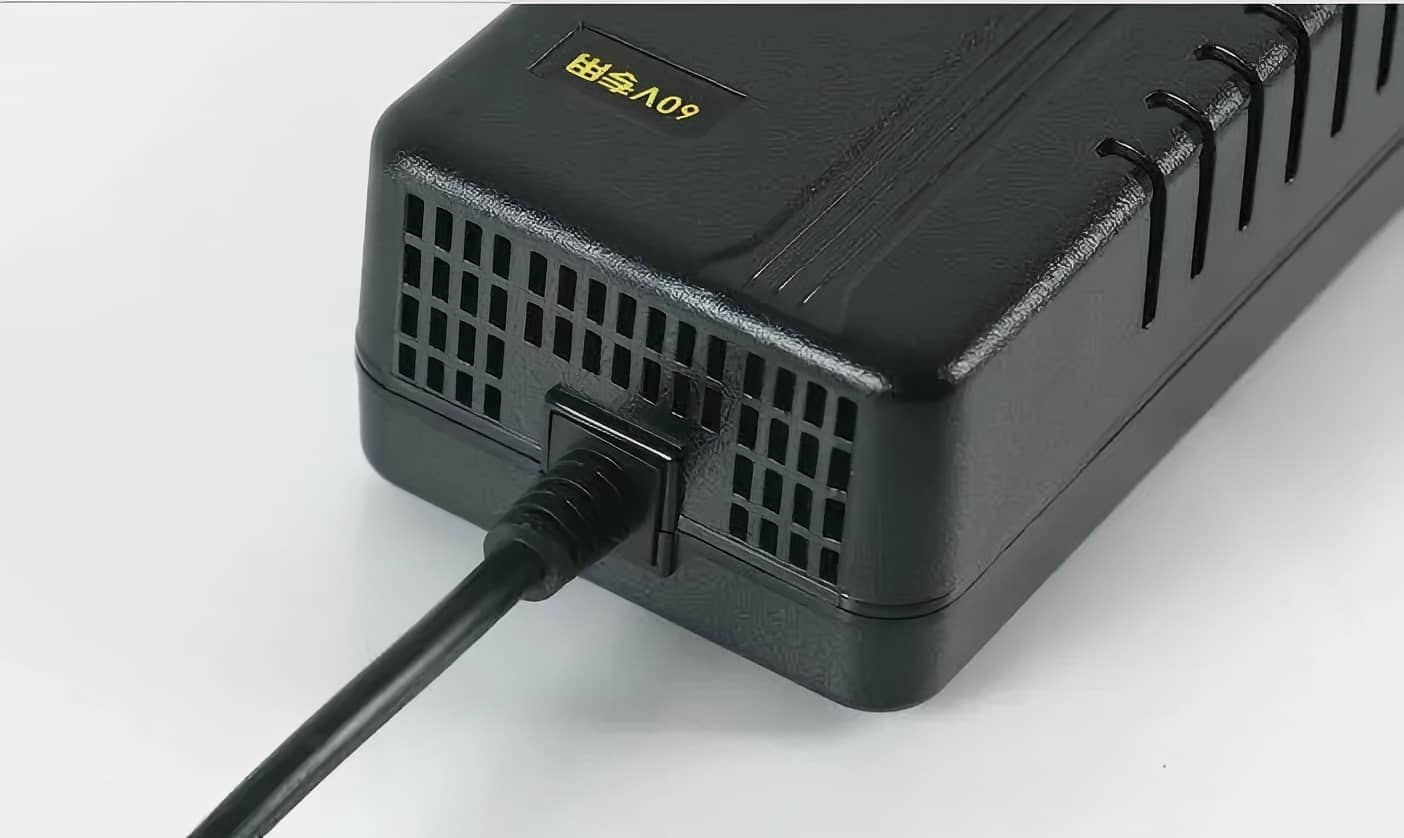
Charging lithium batteries—whether Li-ion, LiPo, or LiFePO4—requires careful handling and the right equipment to ensure both safety and battery longevity. Improper charging can lead to overheating, reduced lifespan, or even safety hazards.
This guide outlines the correct steps to safely charge lithium batteries while maintaining optimal performance, all in alignment with industry best practices and manufacturer guidelines.
✅ Before You Begin: Safety First
- Always use a charger designed for your battery's chemistry and voltage.
- Charge in a cool, well-ventilated area (ideally 0–45°C / 32–113°F).
- Never charge a damaged, swollen, or overheating battery.
Step-by-Step Process for Charging Lithium Batteries
🔹 Step 1: Identify Your Battery Type
Determine the battery chemistry (Li-ion, LiPo, or LiFePO4) and pack voltage or number of series cells. This information defines the correct charging voltage and charging profile.
Example: A LiFePO4 battery typically requires 3.65 V per cell for full charge, while standard Li-ion/LiPo batteries require 4.2 V per cell.
🔹 Step 2: Use a Compatible Charger
Choose a charger that supports:
- The correct chemistry and voltage
- CC/CV charging profile (Constant Current / Constant Voltage)
- Automatic switching between CC and CV modes
Avoid universal or unverified chargers—they can overcharge or undercharge the battery, causing long-term damage.
🔹 Step 3: Set the Proper Charging Current
Check your battery’s datasheet to find the recommended charging current. If unavailable, a common safe starting point is:
⚠️ 0.5C rate — For a 100 Ah battery, that’s 50 A.
Never exceed the maximum rated current.
🔹 Step 4: Prepare a Safe Charging Environment
Charge batteries on a non-flammable surface, away from materials like paper or fabric. Ensure:
- Proper ventilation
- No direct sunlight
- No flammable items nearby
Do not leave the battery unattended while charging.
🔹 Step 5: Inspect the Battery Before Charging
Check for:
- Swelling or deformation
- Cracked casing
- Leaking electrolyte
- Exposed or damaged wires
If you notice any of the above, do not proceed with charging.
🔹 Step 6: Connect the Battery Properly
- Turn off the charger.
- Attach the main leads with correct polarity.
- If available, plug in the balance lead.
- Then, power on the charger.
🔹 Step 7: Constant Current (CC) Stage Begins
The charger supplies a steady current while gradually increasing the battery’s voltage. This is the bulk charging phase.
✅ No need to make manual adjustments during this stage. Monitor for abnormal heat or odor.
🔹 Step 8: Constant Voltage (CV) Stage Begins
The charger switches to a fixed voltage:
- 4.2 V per cell (Li-ion, LiPo)
- 3.65 V per cell (LiFePO4)
During this stage, current decreases until it reaches the termination threshold, at which point charging stops automatically.
🔹 Step 9: Disconnect the Battery
- Once the battery is fully charged: Turn off the charger
- Disconnect leads carefully
- Allow the battery to rest for 10–15 minutes (a small voltage drop is normal)
🔹 Step 10: Post-Charge Precautions
- Do not leave lithium batteries on the charger once fully charged
- For storage, leave the battery at 40–60% charge
- Store in a cool, dry, and ventilated environment
Essential Safety Tips for Charging Lithium Batteries
To extend battery life and reduce risk:
- Charge between 20–80% for daily use to reduce cell stress
- Avoid deep discharges below 20% capacity
- Use the battery regularly—long-term storage may reduce effectiveness
- Never exceed the manufacturer's specs for voltage and current
- Monitor closely during charging for heat, swelling, or odd smells
Conclusion
Improper charging is one of the leading causes of thermal runaway, capacity degradation, and early battery failure. Following best practices not only enhances battery lifespan but also reduces the risk of fire hazards and equipment damage—especially in high-capacity packs used in solar storage, EVs, or backup systems.
Popular Articles
Contact Details
Worktime :Monday to Friday 9am - 6pm (HKT)
WhatsApp/Wechat/Mobile :+8613645616165
Email : info@lifepo4cellstore.com