Blog
Tips for Maximizing LiFePO4 Battery Life
2025-10-11 | Eric
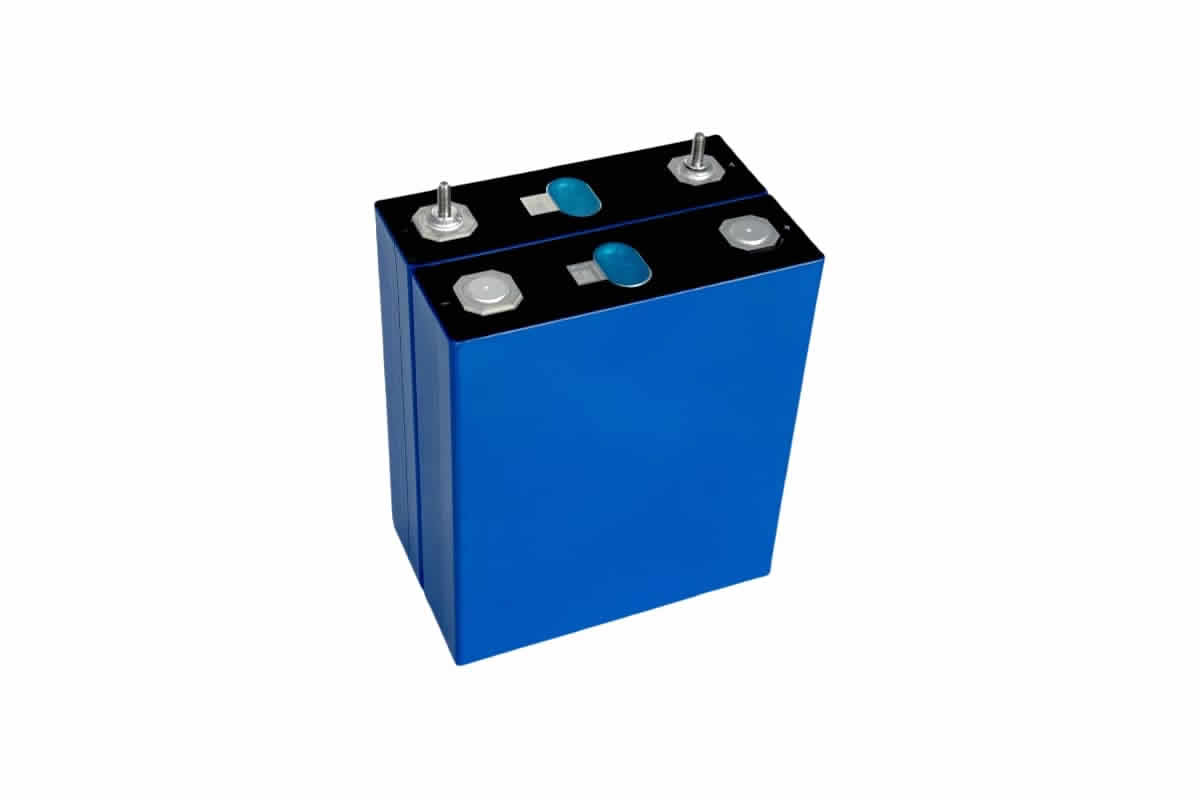
LiFePO4, or Lithium Iron Phosphate batteries, are among the most advanced lithium-ion battery technologies available today. Known for their high energy density and exceptional cycle life, LiFePO4 batteries typically last up to five times longer than traditional lithium-ion batteries. However, their lifespan is not fixed and varies based on usage patterns, maintenance, and environmental conditions.
This article provides an in-depth overview of LiFePO4 battery life, explains the main factors affecting their longevity, and offers actionable tips to help you maximize the lifespan of your battery.
Factors Affecting LiFePO4 Battery Life
Several critical factors influence the longevity and performance of LiFePO4 batteries:
1. Charging Rate and Voltage
Charging at voltages or currents outside the manufacturer’s recommended range can cause irreversible damage. Always adhere to specified charging parameters to maintain optimal battery health.
2. Depth of Discharge (DoD)
While LiFePO4 batteries tolerate deep discharges well, frequent and extreme discharges can still reduce overall cycle life over time.
3. Operating Temperature
Exposure to excessive heat accelerates chemical degradation, while very low temperatures temporarily reduce capacity. Maintaining battery temperature within the recommended range (0°C to 45°C) is essential for maximizing lifespan.
4. Storage Conditions
Improper storage—such as leaving the battery fully discharged, or in humid or excessively hot environments—can lead to capacity loss and shorten battery life.
5. Number of Charge Cycles
Although LiFePO4 batteries generally support over 4000 charge-discharge cycles, actual lifespan depends on usage, environmental factors, and care.
6. Cell Balancing in Battery Packs
For multi-cell battery packs, maintaining cell balance during charge and discharge is critical. Imbalanced cells can cause uneven wear and premature battery failure.
7. Manufacturing Quality
Batteries produced by reputable manufacturers using high-quality materials and rigorous quality control have significantly longer lifespans and better reliability.
How to Extend LiFePO4 Battery Life
To maximize your LiFePO4 battery’s lifespan, consider the following best practices related to manufacturing quality and daily usage:
Battery Manufacturing Considerations
- Choose Trusted Brands: Select batteries from established manufacturers known for high-quality materials and strict quality control processes. This choice ensures better performance and reliability over time.
- Battery Management System (BMS): Opt for batteries equipped with an advanced BMS that protects against overcharging, over-discharging, and voltage imbalances. A quality BMS helps maintain battery stability and safety.
- Thermal Management Features: Prefer batteries featuring built-in cooling solutions such as heat sinks or cooling plates to regulate temperature and prevent thermal degradation.
Usage Best Practices
- Use Recommended Chargers: Always charge your battery using a charger that matches the manufacturer’s voltage and current specifications. For example, a typical 12V LiFePO4 battery charges safely between 12.4V and 14.6V. Overcharging or undercharging can significantly damage the battery.
- Control Charging Rate: Follow manufacturer guidelines on charging speed. Slow charging rates (typically 0.2C to 0.5C) help prolong battery life, while fast charging (1C or higher) may accelerate degradation.
- Maintain Optimal Temperature: Operate and store the battery within 0°C (32°F) to 45°C (113°F). Proper ventilation and temperature control minimize stress on battery cells.
- Proper Storage: When not in use for extended periods, store the battery at 30% to 50% state of charge. This “sweet spot” helps preserve battery capacity and extends lifespan.
Conclusion
Maximizing your LiFePO4 battery life requires a combination of choosing high-quality batteries and adopting proper charging, usage, and storage practices. By following the guidelines outlined in this article, you can ensure your LiFePO4 battery delivers reliable, long-term performance for your energy storage needs.
FAQs
Q1: How many cycles can a LiFePO4 battery typically last?
A: Most LiFePO4 batteries can endure over 4000 charge-discharge cycles under optimal conditions, which is significantly higher than traditional lithium-ion batteries.
Q2: Can LiFePO4 batteries be fast charged?
A: While fast charging is possible, it may reduce battery lifespan. It is best to follow manufacturer guidelines for charging rates to maximize longevity.
Q3: Is it safe to use LiFePO4 batteries in extreme temperatures?
A: LiFePO4 batteries are more thermally stable than other lithium chemistries, but exposure to extreme heat or cold should be minimized to preserve battery health.
Q4: How important is the Battery Management System (BMS)?
A: A BMS is crucial for protecting the battery from damage due to overcharge, over-discharge, and cell imbalance, thereby extending overall lifespan.
Popular Articles
Contact Details
Worktime :Monday to Friday 9am - 6pm (HKT)
WhatsApp/Wechat/Mobile :+8613645616165
Email : info@lifepo4cellstore.com