Blog
How to Properly Size LiFePO4 Battery Adapter Cables for Optimal Performance
2026-01-17 | Eric
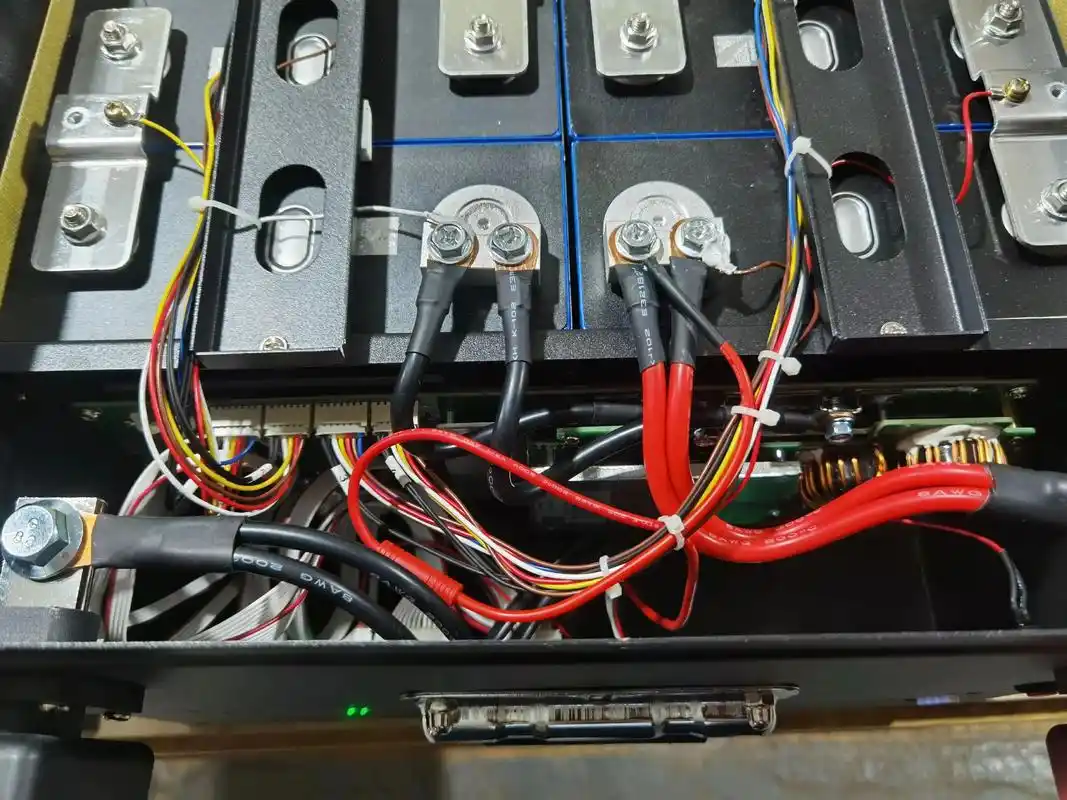
LiFePO4 (Lithium Iron Phosphate) batteries are gaining traction in the energy storage industry thanks to their impressive energy density, long cycle life, and enhanced safety features. Whether you're powering a solar setup, an electric vehicle, or another high-demand system, the proper cable sizing for your LiFePO4 battery adapter is crucial to ensure safety and efficient performance.
When selecting the appropriate cable size for your LiFePO4 battery adapter, two primary factors must be considered: the maximum current the battery can deliver and the cable length. Incorrect cable sizing can result in overheating, energy inefficiencies, or even damage to the battery, leading to costly repairs or system failure.
Key Factors in Sizing LiFePO4 Battery Adapter Cables
1. Current Carrying Capacity
The battery's maximum current output is essential when choosing the right size cable. The cable must be capable of handling the current without overheating or causing a significant voltage drop. Overheating can damage both the cable and the battery, leading to system failure.
2. Cable Length and Voltage Drop
The longer the cable, the higher the resistance it introduces, which causes voltage drop along the length of the cable. Excessive voltage drop reduces the efficiency of the system and may lead to poor battery performance. To minimize voltage drop and maximize efficiency, it is important to choose a cable that is thick enough to handle the current over the given distance.
Step-by-Step Guide to Sizing Your Cable
To determine the correct wire gauge (AWG) for your battery adapter cables, use the following formula:
Cable Size (AWG) = (Length (ft.) x Current (A)) / (2 x Voltage Drop (V))
Where:
- AWG: American Wire Gauge, the standard measurement for wire size
- Length: The length of the cable in feet
- Current: The maximum current that the battery can output (in amperes)
- Voltage Drop: The maximum allowable voltage drop across the cable
Example Calculation:
Suppose you have a LiFePO4 battery with a maximum current output of 100A and want to use a 10-foot cable, with a maximum acceptable voltage drop of 0.1V.
The calculation would be:
Cable Size (AWG) = (10 ft. x 100 A) / (2 x 0.1 V) = 500
In this case, the result suggests a cable size of AWG 500, which is not a common standard. In practice, you would opt for the next standard size, typically AWG 000 (or 4/0).
Understanding Copper Cable Ampacities
To make your selection easier, here is a guide to copper cable ampacities based on different wire gauge sizes. This table will help you determine the appropriate wire size based on the expected load and cable length.
| Cable Gauge Size | Ampacity (A) |
|---|---|
| 14 AWG (2.08 mm²) | 35A |
| 12 AWG (3.31 mm²) | 40A |
| 10 AWG (5.25 mm²) | 55A |
| 8 AWG (8.36 mm²) | 80A |
| 6 AWG (13.3 mm²) | 105A |
| 4 AWG (21.1 mm²) | 140A |
| 2 AWG (33.6 mm²) | 190A |
| 1 AWG (42.4 mm²) | 220A |
| 1/0 AWG (53.5 mm²) | 260A |
| 2/0 AWG (67.4 mm²) | 300A |
| 4/0 AWG (107 mm²) | 405A |
Example Selection:
- If your expected load is 50A and the cable length is less than 13 feet (4000 mm), you can safely use 10 AWG cable (with an ampacity of 55A).
- For a larger expected load of 150A, a 2/0 AWG cable (with an ampacity of 300A) would be ideal.
Additional Considerations
- Temperature Ratings: The ampacity values above are based on copper cables rated for 194°F (90°C) in an ambient temperature of 86°F (30°C). If your application operates in hotter conditions or uses cables with different temperature ratings, be sure to adjust the cable sizing accordingly.
- Safety Margin: It’s always a good practice to size your cables with a safety margin in mind. For example, if your expected load is near the ampacity limit of a specific cable, consider stepping up to the next larger size to ensure longevity and safety.
Conclusion
Properly sizing the adapter cables for your LiFePO4 battery is essential for optimizing performance and ensuring the longevity of your system. By considering factors like current load, cable length, and acceptable voltage drop, you can select the right wire size to maximize efficiency and prevent damage.
When in doubt, use the provided formula and reference the ampacity table to guide your cable selection. Always ensure that your cables can handle the maximum current without overheating and that the voltage drop is kept to a minimum.
Popular Articles
Contact Details
Worktime :Monday to Friday 9am - 6pm (HKT)
WhatsApp/Wechat/Mobile :+8613645616165
Email : info@lifepo4cellstore.com