Blog
LiFePO4 Battery Troubleshooting Guide: Common Problems, Causes, and Solutions
2026-01-15 | Eric
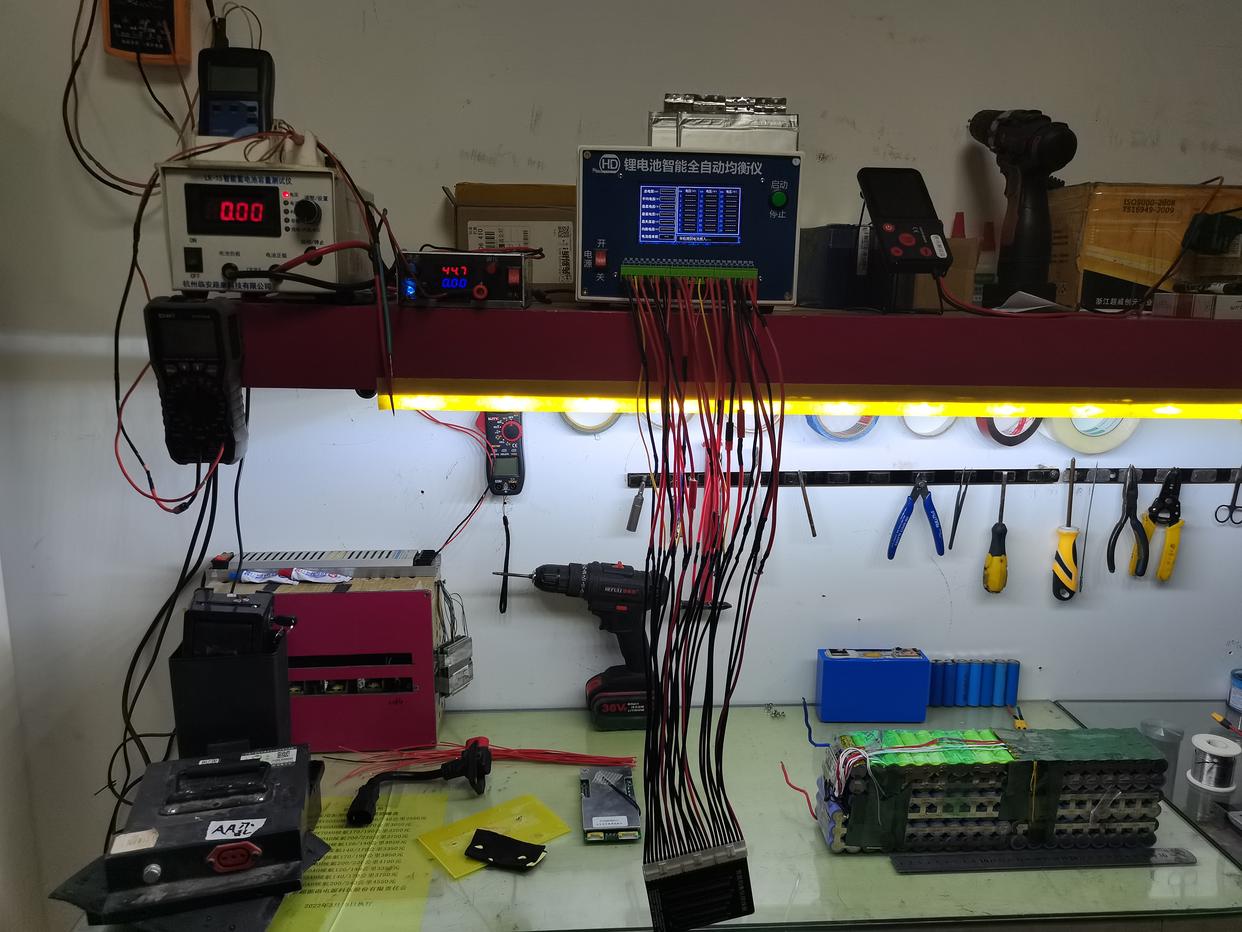
Lithium Iron Phosphate (LiFePO4) batteries are widely used in energy storage systems, RVs, marine applications, solar power, and industrial equipment due to their excellent safety profile, long cycle life, and stable performance.
However, even the most reliable lithium battery technology can experience operational issues if exposed to improper charging, extreme temperatures, or abnormal loads.
This guide provides a professional, practical troubleshooting overview of the most common LiFePO4 battery problems, their causes, and proven solutions—helping users maximize battery performance, safety, and lifespan.
Why LiFePO4 Batteries Trigger Protection Mechanisms
LiFePO4 batteries are equipped with a Battery Management System (BMS) designed to protect cells from damage. The BMS continuously monitors:
- Voltage (overvoltage / undervoltage)
- Current (overcurrent / short circuit)
- Temperature (high / low limits)
When abnormal conditions occur, the BMS will disconnect charging or discharging to prevent irreversible damage.
Understanding these protection events is key to effective troubleshooting.
Common LiFePO4 Battery Problems and Solutions
1. Battery Unable to Activate (No Charge/Discharge Over 1A)
Symptoms
- Battery will not accept or deliver current above 1A
- Very low resting voltage (often below 10V)
Possible Causes
- Severe over-discharge due to:
- Long-term storage
- Parasitic loads
- Self-discharge over extended periods
Recommended Solution
- Use a LiFePO4-compatible charger or charge controller with:
- Lithium battery activation mode
- Force-charge functionality
- Apply a charging current greater than 1A to wake the BMS and restore operation.
Industry note: Most LiFePO4 BMS units enter protection mode when cell voltage drops below safe limits to prevent permanent capacity loss.
2. Undervoltage Protection Triggered
Symptoms
- Battery suddenly shuts off during discharge
- No output voltage available
Possible Causes
- Battery voltage drops below the BMS undervoltage threshold
Recommended Solution
- Immediately disconnect all loads
- Recharge the battery with a current above 1A
- Allow the voltage to recover to normal operating range
Prompt recharging is critical to avoid deep discharge stress on lithium cells.
3. Overvoltage Protection During Charging
Symptoms
- Charging process stops unexpectedly
- Charger indicates fault or full battery prematurely
Possible Causes
- Charging voltage exceeds the LiFePO4 preset limit
- Incorrect charger or charging profile
Recommended Solution
- Disconnect the battery from the charger
- Reduce charging voltage by 0.2V–0.4V
- Wait approximately 6 hours
- Resume charging using the correct LiFePO4 voltage setting
- If the issue persists, repeat the steps or consult the manufacturer—BMS replacement may be required in rare cases
Best practice: Always use chargers specifically designed for LiFePO4 chemistry, typically with a 14.2–14.6V charging range for 12V systems.
4. High or Low Temperature Protection
Symptoms
- Battery stops charging or discharging
- Normal operation resumes after a period of rest
Possible Causes
- Operating temperature exceeds BMS limits:
- High temperature during heavy load
- Low temperature charging (below 0°C / 32°F)
Recommended Solution
- Disconnect the battery from loads or chargers
- Allow the battery to cool down or warm up naturally
- The BMS will automatically reset once the battery returns to its safe temperature range
Proper thermal management significantly improves battery lifespan and safety.
5. Short Circuit Protection Triggered
Symptoms
- Sudden shutdown
- Possible heat generation or sparks
Possible Causes
- Internal or external short circuit
Recommended Solution
- Remove the short circuit immediately
- Recharge the battery with a current greater than 1A
- Inspect wiring, terminals, and system design to prevent recurrence
Manufacturers rely on strict quality control to minimize internal shorts, but external wiring errors remain a common cause.
6. Charge or Discharge Overcurrent Protection
Symptoms
- Battery disconnects under heavy load
- Inverter or equipment shuts down unexpectedly
Possible Causes
- Excessive charge or discharge current beyond BMS limits
Recommended Solution
- Disconnect the battery immediately
- Reduce system load or charging current
- Ensure the battery is properly sized for the application
Matching battery capacity with system demand is critical for reliable performance.
LiFePO4 Battery Troubleshooting Summary Table
| Problem | Possible Causes | Recommended Solution |
|---|---|---|
| Battery cannot activate (>1A) | Severe over-discharge | Use lithium charger with activation or force charge |
| Undervoltage protection | Voltage below BMS limit | Disconnect loads, recharge >1A |
| Overvoltage protection | Excess charging voltage | Lower voltage 0.2–0.4V, retry |
| High/Low temperature protection | Extreme temperatures | Cool down or warm up battery |
| Short circuit protection | Internal or external short | Remove short, recharge >1A |
| Overcurrent protection | Excessive current | Disconnect, reduce load |
Best Practices to Extend LiFePO4 Battery Life
- Use LiFePO4-specific chargers
- Avoid deep discharge and long-term storage at low voltage
- Maintain proper ventilation and temperature control
- Monitor system current and voltage regularly
- Follow manufacturer-recommended operating guidelines
According to industry data, well-maintained LiFePO4 batteries can deliver 3,000–6,000+ cycles, significantly outperforming lead-acid alternatives.
Conclusion
LiFePO4 batteries offer exceptional safety, efficiency, and longevity when used correctly. By understanding BMS protection mechanisms and applying the right troubleshooting steps, users can protect their investment and ensure years of stable performance.
As energy storage technology continues to evolve, staying informed and proactive is essential.
Want to learn more about LiFePO4 batteries or find the right solution for your application?
Contact us today, explore our product range, or speak with our technical team for expert guidance.
Popular Articles
Contact Details
Worktime :Monday to Friday 9am - 6pm (HKT)
WhatsApp/Wechat/Mobile :+8613645616165
Email : info@lifepo4cellstore.com