Blog
Do LiFePO4 Batteries Expire if Not Used?
2025-11-24 | Eric
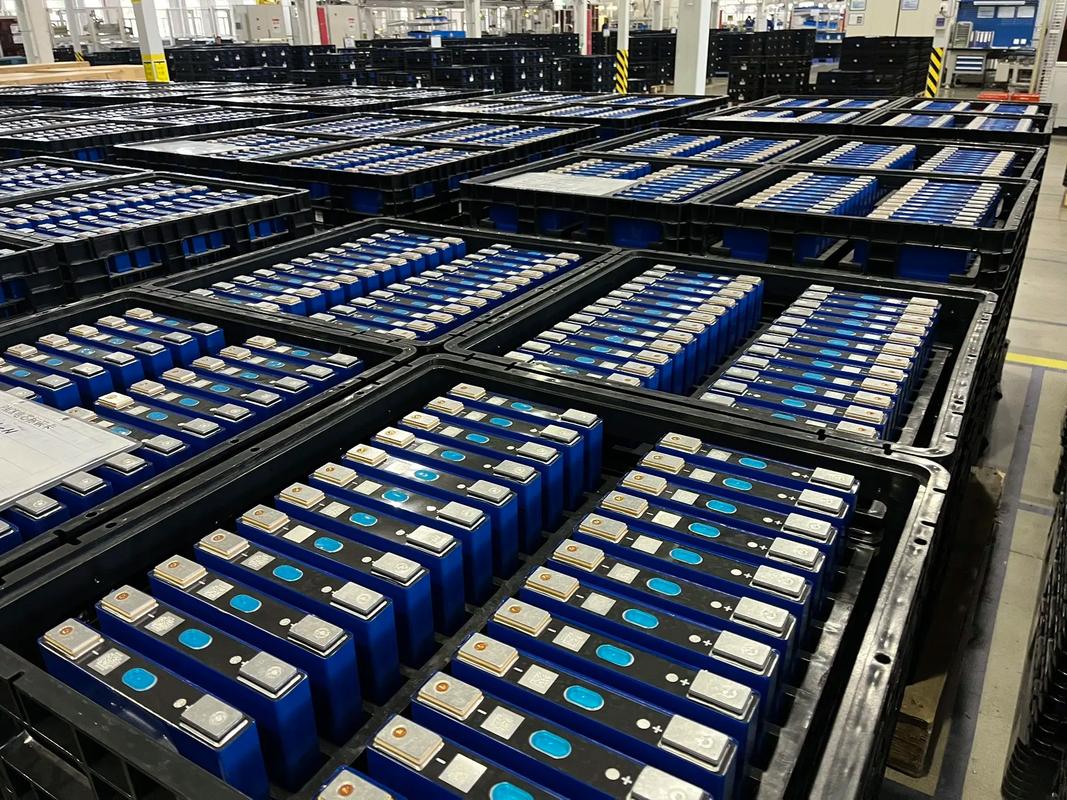
Lithium Iron Phosphate (LiFePO4) batteries are renowned for their durability, safety, and long lifespan. But like any technology, they require proper maintenance, especially when not in use for extended periods. One common question among consumers is: do LiFePO4 batteries expire? The short answer is no, but they do experience gradual performance degradation over time due to natural aging and self-discharge. Understanding how these factors impact battery health can help you maximize their longevity and ensure optimal performance.
In this article, we will dive into the factors affecting LiFePO4 battery lifespan, the potential risks of long-term storage, and best practices for maintaining these batteries when not in use.
Table of Contents
- 1. The Theoretical Lifespan of LiFePO4 Batteries
- 2. Impact of Long-Term Inactivity on LiFePO4 Batteries
- 3. Best Practices for Storing LiFePO4 Batteries Long-Term
- 4. How to Check the Health of Your LiFePO4 Battery
- Conclusion
1. The Theoretical Lifespan of LiFePO4 Batteries
LiFePO4 batteries are known for their impressive calendar life, which typically spans 8-12 years. Even if left unused, the battery will experience a gradual reduction in capacity due to slow chemical reactions within the cells. While these batteries do not “expire” in the traditional sense, their performance will degrade over time.
Key Factors Influencing Battery Longevity:
- Temperature: High temperatures accelerate the aging process, reducing the battery's overall lifespan. Storing batteries in cool environments is essential for maximizing their longevity.
- Charge State: Storing a battery at a high or low charge level for extended periods can damage the battery. Low or partial charge levels (40%-60%) are ideal for storage.
2. Impact of Long-Term Inactivity on LiFePO4 Batteries
Even though LiFePO4 batteries are relatively stable, long periods of inactivity can negatively impact their performance. Below are the main effects of leaving the battery unused for extended durations:
Self-Discharge and Capacity Loss
LiFePO4 batteries naturally self-discharge over time, meaning they will slowly lose charge even when not in use. If the battery is left in a fully charged or fully discharged state for too long, it could result in irreversible damage to the cells. Overcharging or deep discharging can lead to capacity loss, making the battery less effective for future use.
Increased Internal Resistance
With prolonged inactivity, the internal resistance of the battery increases. This can reduce the efficiency of the battery’s charge and discharge cycles, leading to a decrease in overall performance and battery runtime.
Degradation of Active Materials
Over time, the active materials inside the battery, such as lithium ions and negative electrode materials, can degrade, reducing the overall capacity. This can manifest as a decrease in usable energy and shorter battery life.
3. Best Practices for Storing LiFePO4 Batteries Long-Term
To ensure your LiFePO4 battery remains in good health even during periods of inactivity, following proper storage guidelines is crucial. Here are some expert recommendations:
Ideal Storage Conditions:
- Charge Level: If you plan to store your battery for more than a month, keep the charge level between 40%-60% to prevent deep discharge or overcharging.
- Temperature: Store the battery in a cool, dry place with temperatures ranging between 0°C (32°F) and 25°C (77°F). Avoid exposure to high temperatures, moisture, or direct sunlight.
- Disconnect the Load: If possible, disconnect any load (such as unplugging the battery from devices) to reduce unnecessary self-discharge. This will help conserve battery life and protect internal components.
Regular Maintenance:
- Recharging: Even when the battery is not in use, it is important to recharge it every 3 months to maintain optimal performance.
- Visual Inspection: Regularly check the battery for signs of wear or damage. Corrosion, swelling, or leaks could indicate potential issues.
4. How to Check the Health of Your LiFePO4 Battery
If your battery has been inactive for some time, it’s important to assess its condition before using it again. You can perform the following checks:
Voltage Check
Use a multimeter to measure the battery’s voltage. If the voltage drops below 2.0V per cell, it could indicate severe degradation. At this point, the battery may no longer be safe to use.
Physical Inspection
Look for swelling, leakage, or corrosion on the battery terminals. These could be signs that the battery has been damaged due to prolonged storage or poor conditions.
Conclusion
LiFePO4 batteries are a great investment due to their long lifespan, safety, and stable performance. While they do not technically "expire," long-term storage without proper care can lead to performance degradation. By storing your battery in optimal conditions, maintaining the correct charge level, and performing periodic checks, you can extend its life and ensure it remains reliable when you need it most.
Popular Articles
Contact Details
Worktime :Monday to Friday 9am - 6pm (HKT)
WhatsApp/Wechat/Mobile :+8613645616165
Email : info@lifepo4cellstore.com