Blog
LiFePO4 Battery Charging FAQ: What You Need to Know
2026-01-26 | Eric
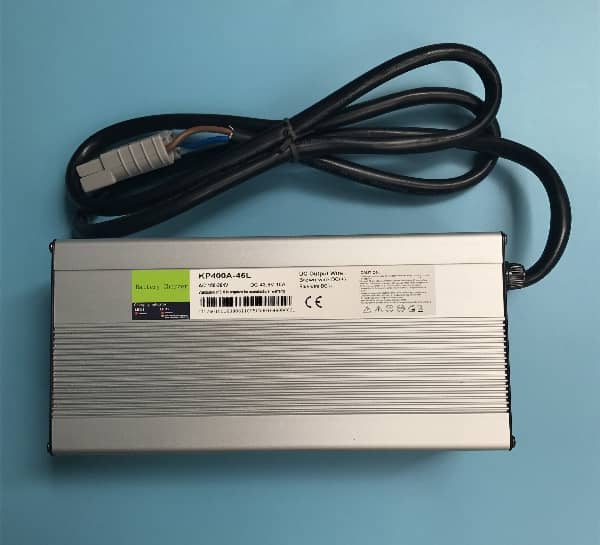
LiFePO4 battery charging is crucial for anyone using these batteries. A suitable charger can significantly affect the lifespan of your battery. Many users experience premature battery failure or issues because of improper charging practices. Understanding the charging process and choosing the correct charger is key to maximizing the performance and longevity of your LiFePO4 battery. Here, we address some of the most common questions about LiFePO4 battery charging.
What Is the Principle of LiFePO4 Battery Charging?
The charging principle for LiFePO4 batteries is similar to other lithium-ion batteries. It involves the movement of lithium ions through the separator, transferring from the positive electrode to the negative electrode. This process allows the battery to store and release energy effectively.
What Conditions Are Ideal for Charging LiFePO4 Batteries?
The most important factor in LiFePO4 battery charging is temperature. These batteries can be safely charged in environments ranging from 0°C to 45°C (32°F to 113°F), provided that the battery is equipped with an effective Battery Management System (BMS). The BMS ensures the battery is not overcharged, over-discharged, or exposed to excess current.
Cold Weather Charging
LiFePO4 batteries cannot be charged normally at temperatures below 0°C (32°F). To charge them in colder conditions, external devices like heating elements may be needed. During winter, it’s highly recommended to winterize your battery to ensure it survives the cold, especially if you don’t need to use it for an extended period.
High Temperature Charging
LiFePO4 batteries can still maintain a stable state of charge even in higher temperatures, as long as they are not exposed to extreme heat. However, it’s always best to avoid charging in excessively humid or harsh environments as this can damage the battery.
What Is a LiFePO4 Battery Charger?
A LiFePO4 battery charger is specifically designed for charging LiFePO4 batteries. These chargers are optimized to safely charge the battery, preventing overcharging and ensuring efficiency. The nominal voltage of a LiFePO4 cell is 3.2V, and a dedicated charger typically operates at above 3.65V, with 12V chargers being the most common for this type of battery. Some chargers are available for higher voltage systems to meet different needs.
LiFePO4 chargers use a CCCV (Constant Current, Constant Voltage) charging method, which is ideal for the chemistry of LiFePO4 batteries. This method initially applies constant current to the battery and, once a certain voltage threshold is reached (usually around 3.65V per cell), the charger switches to a constant voltage mode, filling the battery with the remaining charge.
Can I Use a Lead-Acid Battery Charger for LiFePO4 Batteries?
While it may seem tempting to use an existing lead-acid battery charger, it is not recommended for LiFePO4 batteries. Lead-acid chargers are designed for 2V cells, whereas LiFePO4 batteries have 3.2V cells. Furthermore, lead-acid chargers include a floating charge stage that doesn’t align with the charging process of LiFePO4 batteries, potentially causing premature termination of charging.
Although theoretically possible, using a lead-acid charger will not deliver optimal charging results and may even damage your LiFePO4 battery if the BMS fails to detect the issue. For safety and longevity, always use a charger designed specifically for LiFePO4 batteries.
Will Cheap LiFePO4 Battery Chargers Work?
While inexpensive chargers may seem appealing, they are highly discouraged. Low-cost chargers often suffer from poor quality components, lack of proper manufacturing processes, and incorrect parameters. Using such chargers can risk damaging your battery and shorten its lifespan. Given the cost of LiFePO4 batteries, it’s not worth compromising on the quality of your charger.
Can a Higher Voltage Charger Be Used for LiFePO4 Batteries?
No, higher voltage chargers should never be used for LiFePO4 batteries. The charging voltage should be only slightly higher than the battery's voltage to avoid overloading. Too high a voltage can lead to excessive heat and cause irreversible damage to the battery, such as internal burning or even fire. While the BMS generally prevents unsafe charging, it’s always better to select the correct charger from the start.
Can Solar Chargers and Alternators Charge LiFePO4 Batteries?
Yes, LiFePO4 batteries can be charged using various power sources, including the grid, solar energy, wind energy, and alternators. However, it’s essential to ensure that each power source uses a charger compatible with LiFePO4 batteries. Mismatched chargers can lead to inefficient charging and possible damage to the battery.
Conclusion
Charging your LiFePO4 battery properly is essential for ensuring its longevity and performance. While the process is largely automated, it’s important to understand the key factors involved to avoid damaging your battery. By following the guidelines for temperature, choosing the correct charger, and maintaining a safe charging environment, you can ensure that your LiFePO4 battery will serve you reliably for years.
If you have any more questions or need assistance with selecting the right charger, feel free to reach out to us for expert advice.
Popular Articles
Contact Details
Worktime :Monday to Friday 9am - 6pm (HKT)
WhatsApp/Wechat/Mobile :+8613645616165
Email : info@lifepo4cellstore.com