Blog
Types of Battery Terminal Connectors: A Comprehensive Guide
2025-12-01 | Eric
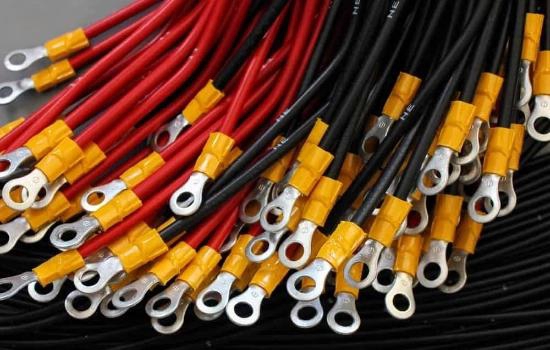
Battery terminal connectors play a critical role in ensuring efficient and reliable power transmission between your battery and its electrical system. Whether in cars, boats, or renewable energy systems, these connectors are essential for devices powered by batteries to function properly. In this guide, we explore the different types of battery terminal connectors and offer clear guidance on selecting the right one for your needs, along with secure connection techniques.
Table of Contents
- What Are Battery Terminal Connectors?
- Types of Battery Terminal Connectors
- Tips for Choosing the Right Battery Terminal Connector
- How to Connect Battery Terminals: A Step-by-Step Guide
- Conclusion
What Are Battery Terminal Connectors?
Battery terminal connectors are crucial components designed to provide a secure, reliable electrical connection between a battery and its associated devices. Typically made from conductive metals such as copper or brass, these connectors ensure that electricity flows efficiently from the battery to power devices, whether they are vehicles, power tools, or home energy systems.
Their primary role is to create a strong electrical bond, as without these connectors, battery-powered systems would fail to operate effectively. Available in various shapes and sizes, each type of connector is tailored to different electrical systems and power requirements.
Types of Battery Terminal Connectors
Battery terminal connectors come in several designs, each offering distinct benefits depending on your application. Here are the most common types:
- Post Terminal Connectors
Post terminal connectors, also known as stud terminal connectors, are among the most commonly used. Featuring a threaded stud that screws into the battery terminal, these connectors offer a secure and stable connection. They are widely used in automotive, marine, and industrial applications where reliability is key. - Lug Terminal Connectors
Lug terminal connectors are U-shaped, designed to fit over a battery terminal post. Made from materials like copper or aluminum, they are ideal for heavy-duty applications such as electric vehicles, renewable energy systems, and industrial machinery. These connectors handle higher currents and are often used in large-scale energy systems. - Clamp Terminal Connectors
Clamp terminal connectors, or alligator clips, are equipped with spring-loaded jaws that clamp onto the battery terminals. They are commonly used in automotive repairs, battery testing, and temporary connections. While they offer ease of use, they are not as secure as other connectors and are best suited for short-term applications or testing. - Ring Terminal Connectors
Ring terminal connectors feature a circular, ring-shaped terminal that fits over a battery post or stud. Ideal for situations where a permanent connection is needed, these connectors are commonly used in automotive, marine, and electrical systems. Available in various sizes and materials, they accommodate different wire gauges and offer versatility. - Flag Terminal Connectors
Flag terminal connectors, also called blade terminals, have a flat, rectangular terminal with a hole for easy attachment to wires or posts. Commonly used in automotive settings, flag connectors are perfect for linking wires to fuse boxes, switches, and relays. Their ease of installation makes them a convenient choice for many wiring setups. - Splice Terminal Connectors
Splice terminal connectors are used to join two or more wires together. Available in various forms, including crimp-on, twist-on, and heat-shrink versions, they are essential for automotive wiring, electrical installations, and DIY projects. Depending on the connector type, they provide different levels of reliability and insulation.
Tips for Choosing the Right Battery Terminal Connector
Choosing the right battery terminal connector is essential to ensuring optimal performance and longevity. Here are some important factors to consider:
- Application: The type of application—whether automotive, industrial, or residential—will dictate the connector you need. Different applications have unique electrical requirements, so ensure the connector matches the system’s voltage and current needs.
- Material Quality: High-quality connectors made from copper or brass offer the best conductivity and durability. These materials are resistant to corrosion, ensuring a long-lasting, reliable connection. Avoid low-quality connectors, which may degrade quickly and impair electrical performance.
- Wire Size Compatibility: The wire gauge should match the connector size to ensure a secure fit. Poorly matched connectors can lead to overheating, poor performance, or system failure. Always choose connectors that are compatible with the wire size you intend to use.
- Environmental Conditions: Consider the environmental factors in which the connectors will be used. Harsh conditions, such as exposure to moisture, extreme temperatures, or chemicals, can affect the connectors' performance. For marine or outdoor applications, opt for connectors resistant to corrosion or those designed for high temperatures.
- Ease of Installation: Some connectors require specialized tools or techniques for installation, while others are straightforward. Make sure you select a connector that fits your skill level and the available tools.
- Safety and Compliance: Ensure that the connectors comply with industry standards and include safety features such as insulation, strain relief, and protection against accidental disconnections.
How to Connect Battery Terminals: A Step-by-Step Guide
While connecting battery terminals may seem straightforward, following the correct procedure is critical for safety and efficiency. Here’s a simple, step-by-step guide:
- Preparation: Ensure that the battery and electrical system are powered off or disconnected before you begin. This minimizes the risk of electrical shocks or short circuits.
- Choose the Right Connector: Select the appropriate terminal connector based on your battery type and the application. It could be a top post connector, side post connector, or other suitable options.
- Clean the Battery Terminals: Use a wire brush or terminal cleaner to remove any dirt, corrosion, or buildup from the battery terminals. A clean surface ensures a secure and efficient connection.
- Position the Connector: Place the connector over the battery terminal, making sure the polarity is correctly aligned (positive or negative).
- Secure the Connector: Using the appropriate bolts, screws, or clamps, firmly attach the connector to the battery terminal. Tighten the hardware enough to secure the connection, but avoid overtightening, which could damage the connector.
- Check the Connection: Once the connector is installed, gently tug it to ensure it is firmly in place. Check for any loose connections that might cause power disruptions.
- Test the Connection: Test the battery by starting the vehicle, powering a device, or using a multimeter to measure the voltage. This step ensures everything is functioning as expected.
Conclusion
Battery terminal connectors are vital components of any electrical system, and selecting the right one can significantly affect performance and reliability. Whether you’re working on a car, boat, or renewable energy system, understanding the different types of connectors and how to install them ensures smooth and efficient operation. Always choose high-quality materials, consider environmental factors, and follow proper installation procedures to ensure long-lasting, secure connections.
Popular Articles
Contact Details
Worktime :Monday to Friday 9am - 6pm (HKT)
WhatsApp/Wechat/Mobile :+8613645616165
Email : info@lifepo4cellstore.com