Blog
Why LiFePO4 Batteries Are the Future of Electric Vehicles
2025-12-19 | Eric
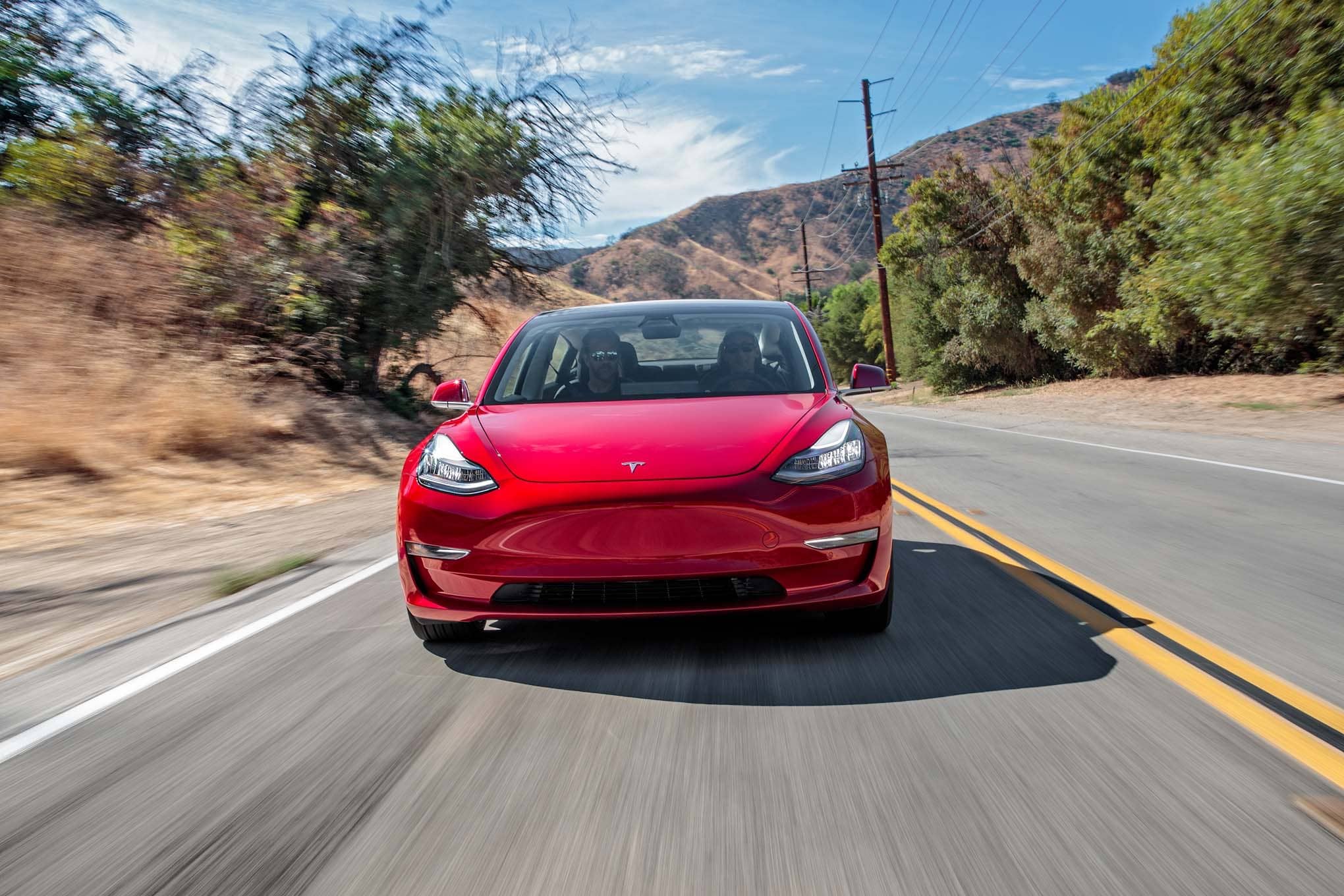
The electric vehicle (EV) market is evolving at an unprecedented rate. As more consumers seek eco-friendly, cost-effective alternatives to traditional gasoline-powered cars, the role of EVs continues to grow. A major factor that will influence the future of electric vehicles is the battery technology that powers them. While lithium-ion batteries dominate the market, innovations in battery types like LiFePO4 (Lithium Iron Phosphate) are quickly gaining attention. But why are LiFePO4 batteries poised to shape the future of EVs? Let’s explore the many advantages of this revolutionary technology.
The Challenges with Traditional EV Battery Technologies
Currently, most electric vehicles rely on lithium-ion batteries, with common variants like Nickel Manganese Cobalt (NMC) and Nickel Cobalt Aluminum (NCA). These batteries offer impressive energy density, allowing EVs to achieve long ranges and rapid acceleration. However, they come with significant trade-offs, including:
- Higher Cost: NMC and NCA batteries require expensive materials like nickel and cobalt.
- Environmental Concerns: The mining of these materials often involves environmentally harmful practices and ethical issues.
- Safety Risks: These batteries are prone to thermal runaway, increasing the risk of fires and explosions.
Given these limitations, EV manufacturers and consumers alike are looking for alternatives that can offer greater safety, longer life cycles, and lower costs.
What Makes LiFePO4 Batteries Different?
LiFePO4 batteries—often referred to as LFP batteries—are an emerging solution that could redefine the future of electric vehicles. While they may have lower energy density than NMC or NCA batteries, their advantages make them an attractive alternative. Let’s dive into why these batteries are gaining traction in the EV industry.
1. Faster Charging
One of the key benefits of LiFePO4 batteries is their ability to charge faster. Due to their low internal resistance and high thermal stability, these batteries can accept higher charging currents without the risk of overheating. For instance, a Tesla Model 3 equipped with an LFP battery can charge from 10% to 80% in approximately 27 minutes, compared to 37 minutes for a Model 3 with an NCA battery.
2. Improved Safety
Safety is paramount when it comes to EV battery technology, and LiFePO4 batteries excel in this regard. Unlike NMC or NCA batteries, which can be prone to thermal runaway (the rapid, uncontrollable release of heat), LFP batteries are much more stable. They have a higher melting point and are less likely to catch fire or explode, making them a safer option for both consumers and manufacturers.
For example, a Tesla Model 3 with an LFP battery presents a lower risk of thermal events compared to a Model 3 with an NCA battery, providing peace of mind to owners.
3. Longer Lifespan
LiFePO4 batteries are known for their impressive cycle life. Unlike NMC and NCA batteries, which degrade faster over time, LFP batteries can endure a higher number of charge and discharge cycles. This means they last longer, providing better long-term value for EV owners.
In fact, LFP batteries can last for up to 2,000 to 3,000 charge cycles—roughly 2 to 3 times longer than NMC or NCA batteries. This durability significantly reduces the need for battery replacement, which is a key concern for EV users looking for cost-effective solutions.
4. Lower Cost
Another standout feature of LiFePO4 batteries is their lower production cost. LFP batteries utilize abundant and inexpensive materials like iron and phosphate, which are more accessible than the rare metals used in NMC or NCA batteries (nickel and cobalt). This results in lower manufacturing costs, which in turn leads to lower overall vehicle prices for consumers.
This reduction in cost can make EVs more affordable and accessible, expanding the market for eco-friendly transportation.
5. Higher Power Density
While LiFePO4 batteries may not offer the same energy density as NMC or NCA batteries, they outperform other battery types in power density. Their ability to deliver higher power output without significant voltage sag means that they can offer faster acceleration and improved overall vehicle performance.
For example, a BYD e6 with an LFP battery accelerates from 0 to 100 km/h in around 8 seconds, compared to the 10 seconds it takes for an Nissan Leaf with an NMC battery.
The Growing Adoption of LiFePO4 in the EV Industry
LiFePO4 batteries are no longer just a futuristic concept—they are already in use by some of the world’s most renowned EV manufacturers. Tesla, BYD, and Renault are leading the charge in adopting LFP battery technology.
- Tesla has integrated LFP batteries in its Model 3 Standard Range Plus in select markets, including China, Europe, and Australia.
- BYD, a pioneer in battery technology, has been using LFP batteries for its e6 and e5 models since 2015.
- Renault has been utilizing LFP batteries in its Zoe since 2012, making it one of the longest-serving LFP-powered EVs on the market.
These companies recognize that LFP batteries offer a perfect balance of safety, longevity, and cost-effectiveness, especially for the lower-end and mid-range segments of the EV market.
LiFePO4: Not Just for EVs
In addition to their application in electric vehicles, LiFePO4 batteries are gaining ground in other sectors, such as:
- Energy storage systems for solar power and wind energy.
- Portable power solutions like power banks and backup generators.
- Backup power for critical systems in case of outages.
The adaptability and eco-friendly nature of LiFePO4 batteries make them a versatile solution for a wide range of applications beyond just EVs.
Conclusion
As the demand for electric vehicles continues to rise, the LiFePO4 battery is proving itself as a game-changer in the industry. With its superior safety, longer lifespan, faster charging, and lower costs, it is clear that LFP batteries are poised to lead the way in the EV revolution.
While they may not yet compete with NMC or NCA batteries in terms of sheer energy density, the many benefits of LiFePO4 technology make it an ideal choice for mass-market electric vehicles. As manufacturers continue to innovate and improve their battery technologies, LFP batteries will likely become an increasingly popular choice for a wide range of consumers.
Popular Articles
Contact Details
Worktime :Monday to Friday 9am - 6pm (HKT)
WhatsApp/Wechat/Mobile :+8613645616165
Email : info@lifepo4cellstore.com